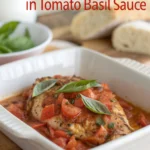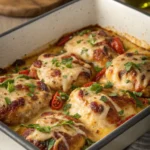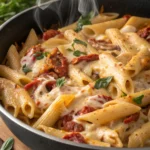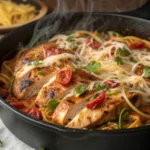

Chef’s secret: this dinner started as a “rescue” recipe on a night I forgot to thaw anything and somehow turned into a family favorite. I’ll let you in on the shortcut that makes the sauce taste like it slow-simmered all day — when it actually takes 20 minutes. I treat this like a tiny restaurant trick: sear the chicken hot for those caramelized edges, then finish it in a quick, creamy tomato-basil bath. The aroma of garlic and tomatoes hitting the pan will make the whole house sniff the doorway. Keep your skillet hot, your ingredients simple, and your spoon handy — you’ll want to taste as you go.
Quick Facts
- Yield: Serves 4
- Prep Time: 5 minutes
- Cook Time: 15 minutes
- Total Time: 20 minutes
Why This Recipe is Awesome
This dish delivers a silky, slightly tangy tomato cream sauce wrapped around juicy, golden chicken — all in the time it takes to put on a podcast episode. It gives you crispy edges and a spoon-licking sauce without complicated steps or weird pantry items. The texture plays between the tender chicken and the lush, creamy sauce, and the fresh basil brightens every bite. It’s so easy even your oven can’t mess it up.
Ingredients
For the Main Dish:
- 1½ pounds boneless, skinless **chicken breasts** (about 3 breasts), pounded or sliced to even thickness
- 1 teaspoon **salt**, plus more to taste
- ½ teaspoon **black pepper**
- 1 teaspoon **garlic powder** (optional)
- 2 tablespoons **olive oil**
- 2 tablespoons **butter**
- 3 cloves **garlic**, minced (about 1 tablespoon)
- 1 (14.5 oz) can **diced tomatoes**, undrained
- ½ cup **heavy cream** (or half-and-half for a lighter version)
- ¾ cup **chicken broth** (low-sodium preferred)
- 1 cup packed **fresh basil**, roughly chopped (reserve a few leaves for garnish)
- ½ cup **grated Parmesan cheese** (optional, for extra richness)
For the Sauce / Garnish (if applicable):
- Extra fresh basil leaves and a sprinkle of Parmesan for serving
- Red pepper flakes for a little heat (optional)
How I Make It
Step 1:
Pat the chicken dry and season both sides with **salt**, **pepper**, and **garlic powder**. Heat a large skillet over medium-high heat until shimmering, then add **olive oil** and **butter**. When the butter foams and smells nutty, lay the chicken in the pan away from you — you’ll hear that satisfying sizzle. Sear for about 3–4 minutes per side until you get golden, caramelized edges. Don’t move the chicken too early; it will release when it’s ready.
Step 2:
Remove the chicken to a plate (it will finish in the sauce). Lower the heat to medium and add the minced **garlic** to the hot skillet. Stir for about 30 seconds until fragrant — your kitchen should smell like a garlic hug. Pour in the **diced tomatoes** with their juices and scrape up those brown bits from the bottom of the pan; that’s flavor gold.
Step 3:
Add **chicken broth** and let the mixture bubble for 2–3 minutes so the flavors marry. Stir in **heavy cream** and **Parmesan** (if using) and let the sauce thicken slightly — you’ll see it change from watery to slightly glossy and clingy. Taste and adjust salt and pepper here. Toss in about three-quarters of the **fresh basil**; the heat will wilt it into a fragrant green ribbon through the sauce.
Step 4:
Return the seared chicken to the skillet and spoon sauce over the pieces. Reduce heat to medium-low, cover loosely, and simmer for 4–5 minutes until the chicken reaches an internal temperature of 165°F and the sauce has deepened in color. Watch for the chicken to look opaque through the center and for the edges to remain slightly golden — that’s the sweet spot between juicy and done.
Step 5:
Turn off the heat and let the skillet rest for a minute. Sprinkle the reserved **fresh basil** and extra **Parmesan** over the top. Serve immediately over pasta, rice, or with crusty bread to mop up the sauce. I always toss a few pepper flakes on mine — tiny rebellion, big flavor.
Pro Tips
- Use a meat thermometer. Aim for 165°F in the thickest part of the chicken for perfectly juicy meat every time.
- If your sauce looks thin, simmer uncovered for an extra minute or two to concentrate flavors — don’t overdo it, or the cream may separate.
- Buy fresh basil and add most of it at the end. Basil loses flavor when cooked too long; adding it late keeps the aroma bright.
- To speed things, slice the chicken into cutlets before cooking — they cook faster and give more crispy edges per bite.
Common Mistakes to Avoid
- Skipping preheating: Classic rookie move. It changes texture and bake time.
- Overmixing: Leads to dense or chewy results. Mix until just combined.
- Guessing cook time: Always use visual cues or a timer, not just vibes.
- Overcrowding pans: Give your food some breathing room to crisp properly.
Alternatives & Substitutions
- Swap chicken for **firm tofu** (press and sear until golden) for a vegetarian option — sauce stays the same but the texture changes to tender and slightly chewy.
- Use **Greek yogurt** thinned with a splash of milk instead of heavy cream for a lighter tangy sauce; whisk it in off-heat to prevent curdling.
- Make it dairy-free by replacing butter with olive oil and heavy cream with full-fat coconut milk — the flavor shifts tropical but still delicious.
- Use gluten-free pasta or serve over roasted cauliflower for a low-carb, gluten-free meal.
Variations & Tips
- Spicy: Add ½ teaspoon of red pepper flakes with the garlic and finish with extra if you like heat.
- Pizza-style: Stir in chopped **pepperoni** or sautéed mushrooms before adding the cream.
- Lemony brightness: Add 1 teaspoon lemon zest to the sauce for a zippy finish.
- Kid-friendly: Omit red pepper flakes and serve with buttered noodles on the side.
- Herby twist: Replace half the basil with fresh spinach or arugula at the end for an extra green punch.
- Cheesy bake: After simmering, top with shredded mozzarella and broil 2 minutes for a bubbly finish (watch closely!).
FAQ (Frequently Asked Questions)
- Can I make this ahead of time?
- Yes! Cook the chicken and sauce, cool, and store in an airtight container in the fridge for up to 3 days. Reheat gently on the stove over low heat, adding a splash of broth or cream if the sauce tightens up.
- Can I double the recipe?
- Sure thing. Use a wider skillet or two pans so you don’t overcrowd when searing. You might need an extra minute or two for the sauce to come back to a simmer.
- Can I substitute butter with oil?
- Technically yes, but you’ll miss that buttery magic. Use ¾ the amount of oil if swapping and consider finishing with a small pat of butter off-heat for flavor.
- How do I know it’s done?
- Look for opaque, firm chicken with golden edges and a center that no longer looks shiny or raw. The safest cue: an internal temperature of 165°F. The sauce should coat the back of a spoon and smell bright and garlicky.
- What if I don’t have ingredient X?
- No drama — swap canned diced tomatoes for 1½ cups crushed tomatoes or use dried basil (1 teaspoon) in a pinch. If you lack cream, use half-and-half or yogurt thinned with milk.
How I Like to Serve It
I often spoon this over a nest of spaghetti with extra Parmesan and a side salad for a weeknight supper. For a cozy weekend meal, serve with garlic bread and a chilled glass of Sauvignon Blanc. It also makes a lovely, saucy main for potlucks — people always ask for seconds. Bright summer basil makes it feel light; in winter I reach for the Parmesan hard for comfort.
Notes
- Store leftovers in the fridge for up to 3 days. Reheat gently on low and add a splash of broth if the sauce thickens.
- Safe internal temp for chicken: 165°F. Use a probe thermometer for accuracy.
Final Thoughts
Closing: Now go impress someone — or just yourself — with your homemade masterpiece!

Hi, I’m Lina, the creator of Lina Easy Recipes.Cooking has always been my passion, and I love sharing simple, homemade dishes that anyone can prepare.
Love What You See?
Join me on Pinterest and Facebook for daily cooking inspiration, new recipe ideas, and behind-the-scenes kitchen stories. Let’s cook something wonderful together!