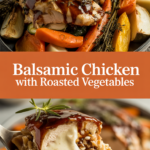
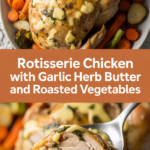
Chicken Little with Honey Mustard Glaze and Roasted Veggies
Spread the love
Chef’s secret: this honey mustard glaze trick makes weeknight chicken taste like you spent hours fussing over it. I pinched the idea from a sous-chef friend who swore that balancing sweetness with a little tang and a splash of acid changes everything — and he was right. I’ll show you how to get glossy, slightly sticky chicken with caramelized edges and vegetables that smell like a Sunday roast, all on one sheet pan. The glaze develops a chew-y, lacquered finish while the veggies caramelize and crackle, and you’ll want to scrape every sticky bit off the pan with a spoon. Keep a towel nearby — things will be delicious and slightly glorious.
Quick Facts
Yield: Serves 4
Prep Time: 15 minutes
Cook Time: 35 minutes
Total Time: 50 minutes
Why This Recipe is Awesome
This dish hits sweet, tangy, and savory in every bite — with a sticky-sweet honey mustard glaze clinging to tender chicken and roasted veggies with crispy edges. It smells like caramel and garlic in the best way, has a great mix of textures (juicy chicken, crisp-tender veggies), and doesn’t demand fancy ingredients or complicated steps. It’s so easy even your oven can’t mess it up, and the glaze doubles as a spoon-licking sauce. Perfect for a busy weeknight that still wants to feel a little special.
Ingredients
For the Main Dish:
1 1/2 pounds boneless, skinless chicken thighs (about 6 small thighs) — you can use breasts if you prefer
1 pound baby potatoes, halved (or 2 medium Yukon Golds cut into 1-inch pieces)
12 ounces Brussels sprouts, halved
2 medium carrots, cut into 1/2-inch thick coins
1 small red onion, cut into wedges
2 tbsp olive oil
1 tsp kosher salt
1/2 tsp black pepper
1/2 tsp smoked paprika (optional, for warmth)
For the Sauce / Garnish:
1/3 cup honey
1/4 cup Dijon mustard
1 tbsp whole-grain mustard (optional for texture)
1 tbsp apple cider vinegar
2 cloves garlic, minced
1 tbsp soy sauce (or tamari)
1 tbsp unsalted butter (or dairy-free margarine)
Chopped fresh parsley for garnish (optional)
How I Make It
Step 1:
Preheat the oven to 425°F. Line a rimmed baking sheet with foil for easy cleanup, then toss the halved baby potatoes, Brussels sprouts, carrots, and red onion with 1 tbsp olive oil, 1/2 tsp salt, and a pinch of pepper. Spread the veggies on one side of the sheet so they get room to brown. The kitchen should already begin smelling like earth and caramel as the oven preheats — that’s a good sign.
Step 2:
Trim any excess fat from the chicken thighs and pat them dry with paper towels (dry = better browning). In a bowl, toss the thighs with the remaining 1 tbsp olive oil, 1/2 tsp salt, 1/4 tsp black pepper, and 1/2 tsp smoked paprika. Arrange the chicken on the other half of the sheet, skin-side up style even though these are skinless: give them a little space so they crisp instead of steam.
Step 3:
Roast everything at 425°F for 18–20 minutes, until the veggies start to brown and the chicken reaches about 155°F on an instant-read thermometer. Meanwhile, whisk together the glaze: 1/3 cup honey, 1/4 cup Dijon, 1 tbsp whole-grain mustard, 1 tbsp apple cider vinegar, 1 tbsp soy sauce, and minced garlic in a small saucepan. Bring to a gentle simmer over medium heat and let it bubble for 1–2 minutes so the garlic softens and flavors marry; stir in 1 tbsp butter at the end for shine.
Step 4:
Pull the sheet pan from the oven. Brush about two-thirds of the glaze over the chicken and a little over the veggies. Return to the oven and roast another 7–10 minutes, until the chicken hits 165°F and the glaze looks glossy and slightly caramelized at the edges. Listen for tiny crackles from the veggies as the sugars caramelize — that’s pure dinner-music.
Step 5:
Rest the chicken for 5 minutes on the pan (it keeps juices locked in). Drizzle the remaining glaze over the chicken, scatter chopped parsley, and serve from the sheet pan or transfer to a platter. Slice a thigh and admire the juicy interior and lacquered exterior before diving in.
Pro Tips
Use boneless thighs for juicier results and forgiving cook times; breasts dry out faster.
Don’t overcrowd the pan — give vegetables and chicken space so they brown instead of steam.
Check the glaze sweetness before glazing: add a squeeze of lemon if it tastes too sweet for your family.
If your glaze thickens too much, whisk in 1 tsp warm water to loosen it for brushing.
Common Mistakes to Avoid
Skipping preheating: Classic rookie move. It changes texture and bake time.
Overmixing: Leads to dense or chewy results. Mix until just combined.
Guessing cook time: Always use visual cues or a timer, not just vibes.
Overcrowding pans: Give your food some breathing room to crisp properly.
Alternatives & Substitutions
Swap chicken thighs for breasts—reduce the final roasting time by 5 minutes and watch temperature closely.
Use tofu (pressed and cubed) for a vegetarian version; toss with cornstarch and roast until crisp, then glaze at the end.
Replace butter with olive oil or a dairy-free margarine to keep the dish dairy-free; you’ll lose a little of the buttery magic but keep richness.
Swap soy sauce for tamari to make it gluten-free and equally savory.
Variations & Tips
Make it spicy: stir 1 tsp sriracha or red pepper flakes into the glaze.
Kid-friendly: swap whole-grain mustard for extra Dijon and reduce vinegar by half.
Herby twist: add chopped rosemary or thyme to the veggies before roasting.
Autumn version: swap sweet potatoes for baby potatoes and add a splash of maple syrup to the glaze.
Creamy finish: serve with a dollop of Greek yogurt mixed with lemon and chives on the side.
Sheet-pan salad: serve cooled leftovers on mixed greens with extra glaze as a dressing.
FAQ (Frequently Asked Questions)
Can I make this ahead of time?
Yes! Roast the veggies and sear the chicken, then store separately in airtight containers for up to 3 days. Reheat at 350°F for 10–15 minutes and brush with fresh glaze just before serving to revive the shine.
Can I double the recipe?
Sure thing. Use two sheet pans and rotate them halfway through baking so everything browns evenly. Avoid stacking on one pan — crowding changes the texture.
Can I substitute butter with oil?
Technically yes, but you’ll miss that buttery magic. Use ¾ the amount of oil and add a splash of lemon for brightness.
How do I know it’s done?
Look for golden, slightly caramelized glaze edges and a chicken internal temp of 165°F. The veggies should have crisp edges and tender centers when pierced with a fork.
What if I don’t have ingredient X?
Swap Dijon for yellow mustard in a pinch (a little milder), use maple syrup or brown sugar if you’re out of honey, and toss in whatever root veggies you have on hand — they’ll roast happily.
How I Like to Serve It
I like to serve this with a simple green salad and crusty bread to sop up the glaze, or alongside buttered rice for a kid-friendly plate. It works for cozy weeknight dinners and also as a centerpiece for casual weekend guests. Add a chilled glass of white wine or an ice-cold beer and you’ve got comfort-food vibes with just enough polish to impress.
Notes
Store leftovers in the fridge up to 3 days. Reheat in a 350°F oven to keep the glaze glossy.
Safe internal cooking temperature for chicken: 165°F. Use an instant-read thermometer for accuracy.
Final Thoughts
Closing: You just made sticky, caramelized honey mustard chicken and roast veg without breaking a sweat — now go impress someone, or just yourself, with your homemade masterpiece!
Hi, I’m Lina, the creator of Lina Easy Recipes.Cooking has always been my passion, and I love sharing simple, homemade dishes that anyone can prepare.
Spread the love
Love What You See?
Join me on Pinterest and Facebook for daily cooking inspiration, new recipe ideas, and behind-the-scenes kitchen stories. Let’s cook something wonderful together!