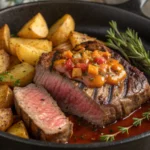
Boneless skinless chicken breast with garlic lemon sauce
Spread the love
Chef’s Secret: I’m about to tell you a tiny kitchen trick that makes weeknight chicken taste restaurant-ready. Slip a little butter into hot oil and don’t be shy about flattening your breasts — that even thickness is the difference between dry chicken and juicy perfection. When the garlic hits the pan and the lemon juice hits the sizzling fond, you’ll smell why I quietly high-five myself every time. This garlic-lemon sauce thins into a glossy, tangy hug that clings to the meat and begs for mashed potatoes or crusty bread. Ready? I promise it’s faster than arguing over what’s for dinner.
Quick Facts
Yield: Serves 4
Prep Time: 10 minutes
Cook Time: 20–25 minutes
Total Time: 30–35 minutes
Why This Recipe is Awesome
This recipe gives you golden, slightly crisp edges and a juicy interior every time — no mystery, just technique. The sauce tastes bright and garlicky with a silky, buttery finish that nods citrusy but never overwhelms. It’s so easy even the busiest weeknight can feel a little fancy. Who doesn’t love a sauce you can spoon over rice, veggies, or a bowl of pasta and immediately call it dinner?
Ingredients
For the Main Dish:
4 boneless skinless chicken breasts (about 6 oz each)
Salt and black pepper, to taste
1/4 cup all-purpose flour (optional, for light dredge; use gluten-free flour if needed)
2 tbsp olive oil
1 tbsp butter (see dairy-free note below)
1 lemon, zested and juiced (about 1/4 cup juice)
1/2 cup low-sodium chicken broth
4 cloves garlic, minced
1 tsp Dijon mustard
2 tbsp cold butter, cubed (for finishing the sauce; optional)
Fresh parsley, chopped for garnish
Pinch of red pepper flakes (optional)
For the Sauce / Garnish (if applicable):
Extra lemon wedges and chopped parsley for serving
Capers (optional, 1–2 tbsp) for a briny pop
How I Make It
Step 1:
Pat the chicken breasts dry with paper towels. I like to place each breast between two sheets of plastic wrap and gently pound them to an even thickness (about 3/4 inch) with a meat mallet or heavy skillet — this helps them cook evenly and stay juicy. Season both sides generously with salt and pepper. If you want a light crust, dredge each piece in 1/4 cup flour, shaking off the excess.
Step 2:
Heat a large ovenproof skillet over medium-high heat. Add 2 tbsp olive oil and 1 tbsp butter. When the fat shimmers and smells nutty, add the chicken. Sear until the edges turn golden and you hear a satisfying sizzle — about 3–4 minutes per side. Don’t fiddle with the chicken; let it form that golden color. Transfer the chicken to a plate while you make the sauce.
Step 3:
Lower the heat to medium and add the minced garlic to the same pan. Stir for about 30 seconds until fragrant — you’ll get that warm, toasty garlic smell. Spoon in the lemon juice and 1/2 cup chicken broth to deglaze the pan, scraping up the browned bits. Stir in 1 tsp Dijon mustard and a pinch of red pepper flakes if you like heat. Let the liquid bubble and reduce for about 2–3 minutes.
Step 4:
Return the chicken to the pan and spoon some sauce over each breast. Slide the skillet into a preheated oven at 400°F and roast for 6–8 minutes, or until a meat thermometer reads 165°F in the thickest part. The sauce will thicken slightly in the oven. If you don’t have an ovenproof skillet, transfer chicken and sauce to a baking dish.
Step 5:
Remove the skillet and transfer chicken to a cutting board. Stir the 2 tbsp cold butter into the sauce off the heat to give it a glossy finish (or use olive oil for dairy-free). Let the chicken rest for 5 minutes to lock in juices, then spoon sauce over the top and garnish with parsley and lemon zest. Serve immediately with bright lemon wedges.
Pro Tips
Use a quick-read thermometer and pull the chicken at 165°F — that avoids dryness and worry. I keep mine in the drawer for emergencies.
Bring chicken to room temperature for 15 minutes before cooking; it sears more evenly and finishes faster.
If your sauce tastes too sharp, whisk in a small pat of butter or a teaspoon of honey to round it out.
For a crisper edge, don’t overcrowd the skillet; cook in batches if needed so the pan stays hot.
Common Mistakes to Avoid
Skipping preheating: Classic rookie move. It changes texture and bake time.
Overmixing: Leads to dense or chewy results. Mix until just combined.
Guessing cook time: Always use visual cues or a timer, not just vibes.
Overcrowding pans: Give your food some breathing room to crisp properly.
Alternatives & Substitutions
Swap chicken for firm tofu (press and pat dry, then sear) to make it vegetarian; expect a firmer texture and lighter flavor.
Replace the finishing butter with olive oil to keep it dairy-free; the sauce loses some richness but stays bright.
Use Greek yogurt (thin with a splash of broth) instead of cream — you keep tang while cutting calories.
For gluten-free, skip the flour or use a 1:1 gluten-free flour or cornstarch for dredging.
Variations & Tips
Spicy: Add 1 tsp smoked paprika and extra red pepper flakes to the sauce.
Creamy: Stir in 1/4 cup heavy cream at the end for a silky finish.
Herb-forward: Add chopped thyme and rosemary to the sauce for an earthy note.
Kid-friendly: Leave out the red pepper flakes and serve with mashed potatoes or buttered noodles.
BBQ Twist: Brush a thin layer of honey and soy over the chicken before serving for a sweet-savory glaze.
Vegetarian twist: Use thick-sliced portobello mushrooms seared the same way — same delicious sauce, meatless joy.
FAQ (Frequently Asked Questions)
Can I make this ahead of time?
Yes! Cook the chicken and cool completely, then store in an airtight container in the fridge for up to 3 days. Reheat gently in a 325°F oven until warmed through and spoon warmed sauce over the top. For best texture, reheat just until warm — overcooking dries the meat.
Can I double the recipe?
Sure thing. Use two skillets or cook in batches so you don’t overcrowd the pan. If you double sauce amounts, reduce it slightly on the stove to concentrate flavor before finishing in the oven.
Can I substitute butter with oil?
Technically yes, but you’ll miss that buttery magic. Use ¾ the amount of oil.
How do I know it’s done?
Look for golden edges and a firm but springy center. The only surefire test: a thermometer at 165°F in the thickest part. Juices should run clear, and the meat should feel tender, not rubbery.
What if I don’t have ingredient X?
No problem — swap lemon juice for white wine vinegar (use half the amount) or use dried herbs if you lack fresh ones. If you skip Dijon, add a pinch of mustard powder or extra garlic for depth.
How I Like to Serve It
I serve this chicken over buttery mashed potatoes or a bed of lemony rice so the sauce soaks in. For a lighter meal, pile it onto a big green salad with avocado and toasted almonds. It also shines at a casual dinner party — serve with crusty bread and a chilled Sauvignon Blanc for a bright, easy pairing. This dish works for weeknights and small celebrations alike.
Notes
Store leftovers in an airtight container in the fridge for up to 3 days. Reheat gently in a low oven or on the stove with a splash of broth.
Safe cooking temperature for chicken: 165°F. Always check the thickest part of the breast.
Final Thoughts
Closing: Now go impress someone — or just yourself — with your homemade masterpiece! Remember: a little butter, hot pan, and fresh lemon go a long way.
Hi, I’m Lina, the creator of Lina Easy Recipes.Cooking has always been my passion, and I love sharing simple, homemade dishes that anyone can prepare.
Spread the love
Love What You See?
Join me on Pinterest and Facebook for daily cooking inspiration, new recipe ideas, and behind-the-scenes kitchen stories. Let’s cook something wonderful together!