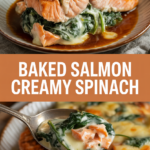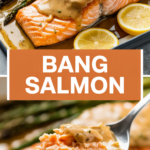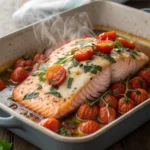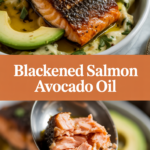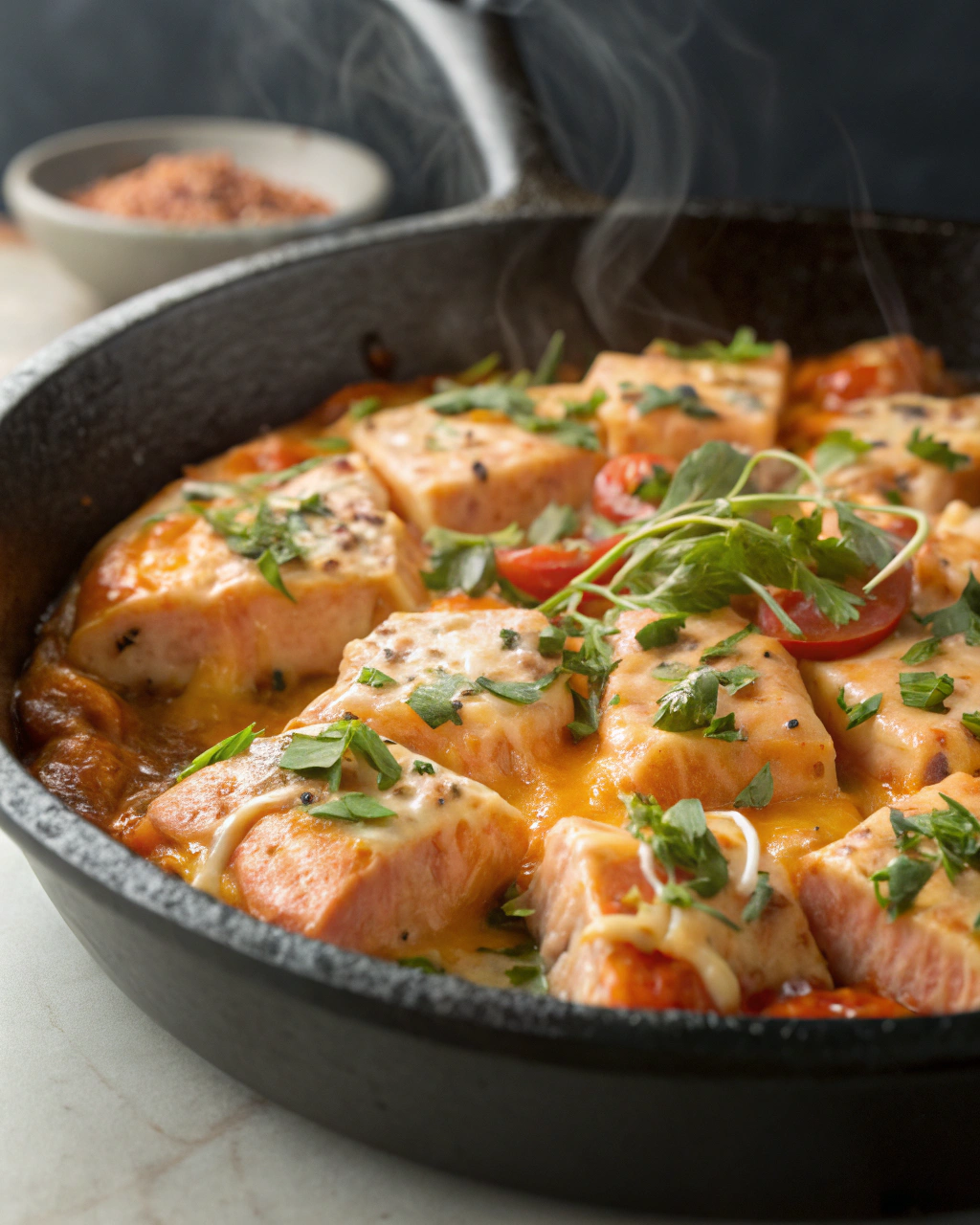
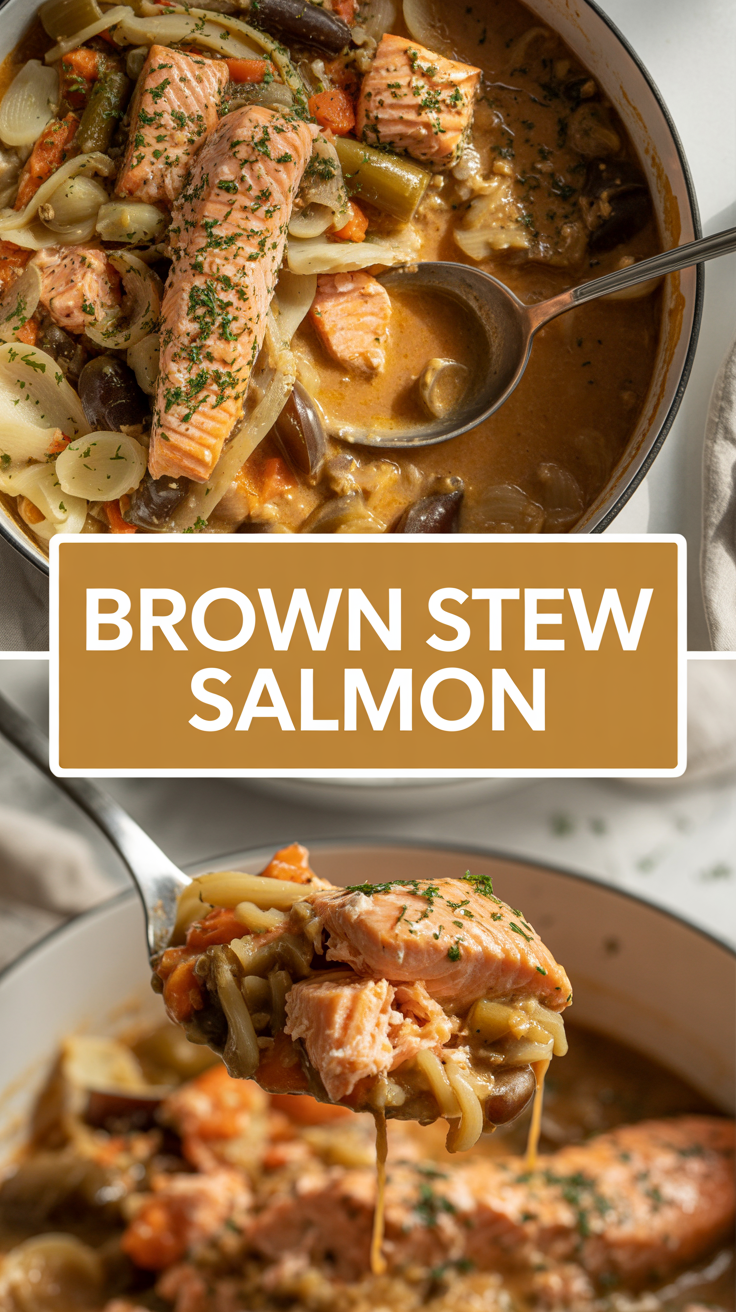
When I was a kid, Sunday dinners meant my mom stood at the stove with a skillet that smelled like caramelized onions and citrus—she called it her “brown stew magic.” I begged to help and spilled more than I stirred, but I learned how a sweet-savory pan sauce could turn plain fish into something you wanted to hug. This brown stew salmon flows from that childhood kitchen: hearty, a little tangy, with a glossy sauce that clings to the fish and makes your plate irresistible. Welcome to a cozy, slightly nostalgic dinner you can pull together on any weeknight.
Quick Facts
- Yield: Serves 4
- Prep Time: 15 minutes
- Cook Time: 15–20 minutes
- Total Time: 30–35 minutes
Why This Recipe is Awesome
This recipe gives you crispy-edged salmon with a sticky, savory-sweet sauce that tastes like a warm hug. The sauce balances salty soy, caramelized brown sugar, and bright lime so each bite pops. It’s quick enough for a weeknight and fancy enough for guests — it’s so easy even your oven can’t mess it up. Expect glossy sauce, tender flakes, and that satisfying sizzle when the fish hits the pan.
Ingredients
For the Main Dish:
- 1 1/2 lb salmon fillets, skin-on, cut into 4 portions
- 1 tsp kosher salt
- 1/2 tsp freshly ground black pepper
- 2 tbsp vegetable oil (or olive oil)
- 1 tbsp butter (optional, for richness)
- 1 medium yellow onion, thinly sliced
- 3 cloves garlic, minced
- 1 tbsp fresh ginger, grated
- 1 red bell pepper, thinly sliced
- 1 medium carrot, julienned or thinly sliced
- 3 scallions, chopped (white and green parts)
- 1/4 cup soy sauce
- 2 tbsp brown sugar
- 1 tbsp tomato paste
- 1 tbsp Worcestershire sauce
- 1 tbsp rice vinegar or fresh lime juice
- 1 tsp smoked paprika (or regular paprika)
- 1/4 cup water or low-sodium chicken/vegetable broth
- 1 tbsp cornstarch mixed with 2 tbsp water (optional, for thicker sauce)
- 1 lime, cut into wedges for serving
For the Sauce / Garnish (if applicable):
- Extra chopped scallions and a few sprigs of cilantro or parsley to finish
How I Make It
Step 1:
Pat the salmon dry with paper towels and season both sides with 1 tsp salt and 1/2 tsp pepper. Heat a large skillet over medium-high heat and add 2 tbsp oil. When the oil shimmers, lay the salmon skin-side down. You’ll hear a happy sizzle — cook until the skin turns deeply golden and crisp, about 3–4 minutes. Flip and sear the other side for 1–2 minutes. Transfer the fish to a plate; don’t worry about undercooking slightly here — you’ll finish it in the sauce.
Step 2:
Lower the heat to medium and add 1 tbsp butter and a splash more oil if the pan looks dry. Toss in the sliced onion and sweat until it softens and begins to brown, about 4–5 minutes. This is when your kitchen smells like caramel and dinner feels official. Add garlic and ginger, stir for 30 seconds until fragrant, then add the red pepper and carrot and cook another 2–3 minutes.
Step 3:
Stir in soy sauce, brown sugar, tomato paste, Worcestershire, rice vinegar, and smoked paprika. Pour in 1/4 cup water and scrape the browned bits from the pan with a wooden spoon — that’s where the flavor lives. Bring the mixture to a gentle simmer and let it reduce and glaze for about 2–3 minutes, until glossy and slightly thickened.
Step 4:
Return the salmon to the skillet, skin-side up so the sauce can kiss the flesh. Spoon sauce over the fillets and cover the pan for 4–6 minutes, depending on thickness. Watch for the edges to turn opaque and for the fish to flake easily with a fork. If you prefer a thicker sauce, stir in the cornstarch slurry and cook for another 30–60 seconds until bubbly and glossy.
Step 5:
Finish with chopped scallions and a squeeze of lime. Serve the salmon over steamed rice or buttery mashed potatoes and spoon extra sauce over the top. Hear that final clink of plates? That’s success.
Pro Tips
- Get the pan hot for a crisp skin: heat until oil shimmers, then add the fish.
- If your salmon sticks, don’t yank it — give it another 30–60 seconds and it will release when ready.
- Adjust sweetness: reduce brown sugar to 1 tbsp if you prefer less sweet, or add a pinch of chili flakes for heat.
- For perfectly timed doneness, use an instant-read thermometer: aim for 125–130°F for medium, or 145°F if you prefer fully cooked per USDA guidance.
Common Mistakes to Avoid
- Skipping preheating: Classic rookie move. It changes texture and bake time.
- Overmixing: Leads to dense or chewy results. Mix until just combined.
- Guessing cook time: Always use visual cues or a timer, not just vibes.
- Overcrowding pans: Give your food some breathing room to crisp properly.
Alternatives & Substitutions
- Swap salmon for skin-on cod or halibut — they’ll need slightly less cooking time and a gentler hand.
- Use tamari or coconut aminos instead of soy for a gluten-free option; flavor stays close but a bit milder.
- Replace butter with extra oil for dairy-free cooking (see FAQ about oil amounts).
- Use honey or maple syrup instead of brown sugar for a different sweetness profile—sauce will be a touch thinner.
Variations & Tips
- Make it spicy: add 1 tsp red pepper flakes or 1–2 tbsp sriracha to the sauce.
- Go Caribbean: swap smoked paprika for allspice and add 1 tsp jerk seasoning.
- Kid-friendly: reduce sugar and skip the spice; serve with steamed veggies and rice.
- Sheet-pan version: roast salmon and vegetables at 425°F for 10–12 minutes, toss with warmed sauce before serving.
- Grill it: grill salmon skin-side down and warm the sauce on the side for brushing during the last minute.
- Vegetarian twist: use thick tofu steaks, sear them, and follow the same sauce steps for a meaty, vegetarian main.
FAQ (Frequently Asked Questions)
- Can I make this ahead of time?
- Yes! Prep the sauce and veggies a day ahead and store in the fridge. Sear the salmon just before serving, then warm everything together for 3–4 minutes. Store leftovers in an airtight container for up to 2 days and reheat gently on the stovetop to avoid drying the fish.
- Can I double the recipe?
- Sure thing. Use a wider or two skillets to avoid overcrowding. Cook the fish in batches to keep that crisp skin and reduce the sauce in a larger pan so flavors stay concentrated.
- Can I substitute butter with oil?
- Technically yes, but you’ll miss that buttery magic. Use 3/4 the amount of oil if swapping — so 3/4 tbsp oil for every 1 tbsp butter — or add a tiny splash of butter at the end for flavor.
- How do I know it’s done?
- Look for opaque flesh around the edges and a slightly translucent center that flakes with gentle pressure. For precise cooking, aim for an internal temperature of 125–130°F for medium or 145°F for fully cooked.
- What if I don’t have ingredient X?
- Short on tomato paste? Use a spoonful of ketchup or reduce the water by 1–2 tbsp and add a splash of extra soy. No ginger? Add a pinch of ground ginger and a little extra garlic.
How I Like to Serve It
I love this salmon over steaming white rice so the sauce soaks in, with roasted broccoli on the side and a bright cucumber salad to cut the richness. On weekends, I serve it with buttery mashed potatoes and a chilled Sauvignon Blanc. It works for an easy weeknight or a low-key dinner party — just add a crusty loaf and let people spoon sauce over everything.
Notes
- Store leftovers in an airtight container for up to 2 days. Reheat gently in a skillet over low heat to preserve moisture.
- Safe cooking temp for fish per USDA: 145°F. Many cooks prefer salmon at 125–130°F for a juicy medium doneness.
Final Thoughts
Closing: Now go impress someone — or just yourself — with this saucy, cozy brown stew salmon. You’ll get sticky-sweet sauce, crisp edges, and dinner done before you know it.

Hi, I’m Lina, the creator of Lina Easy Recipes.Cooking has always been my passion, and I love sharing simple, homemade dishes that anyone can prepare.
Love What You See?
Join me on Pinterest and Facebook for daily cooking inspiration, new recipe ideas, and behind-the-scenes kitchen stories. Let’s cook something wonderful together!