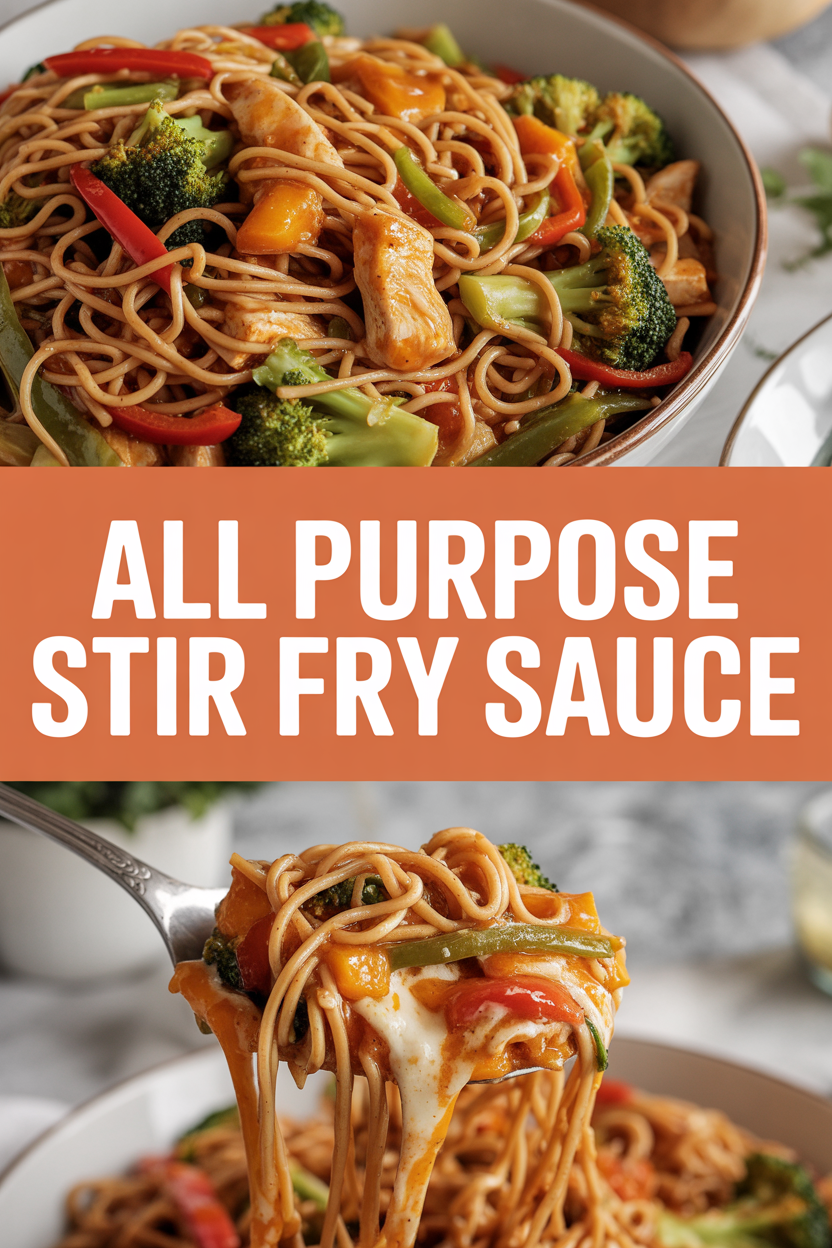
Okay, here’s the thing I only tell people who ask nicely: a single, trusty stir fry sauce changes dinner from “what’s in the fridge?” to “wow, did I just eat restaurant food?” I guard this little formula like a kitchen secret because it makes everything glossy, savory, and a touch sweet, without making you hunt down obscure Asian sauces. Keep a jar in the fridge and you’ll find yourself tossing together vegetables and proteins with reckless confidence, drawn by that garlicky, gingery aroma and the satisfying sizzle as the sauce hits the hot pan. Follow my easy ratios, and you’ll always end up with glossy sauce that clings to every morsel.
Quick Facts
Yield: Serves 4
Prep Time: 10 minutes
Cook Time: 10 minutes
Total Time: 20 minutes
Why This Recipe is Awesome
This sauce tastes layered — salty, sweet, tangy, and just a whisper of heat — and it clings to veggies and proteins like a flavor hug. It thickens quickly into a glossy coating that makes every stir fry look and taste like you spent hours on it (you didn’t). It pairs with crisp-tender vegetables, caramelized chicken, seared tofu, or shrimp that pop with color. It’s so easy even the most distracted cook can pull together a weeknight miracle.
Ingredients
For the Main Dish:
1 lb chicken breast or thighs, thinly sliced (or 14 oz firm tofu, cubed)
2 tbsp neutral oil (canola or vegetable) for stir-frying
2 green onions, sliced on the bias
1 tsp toasted sesame seeds (optional)
For the Sauce / Garnish (if applicable):
1/3 cup low-sodium soy sauce
1/4 cup chicken broth or water (use vegetable broth for vegetarian)
2 tbsp rice vinegar
2 tbsp honey or brown sugar
1 tbsp oyster sauce or 1 tbsp hoisin (optional but lovely)
1 tsp toasted sesame oil
1 tbsp cornstarch mixed with 2 tbsp cold water (cornstarch slurry)
2 cloves garlic, minced
1 tsp fresh ginger, grated
1/4–1 tsp chili paste or sriracha (optional, to taste)
How I Make It
Step 1:
Mix the sauce: in a bowl, whisk together soy sauce, chicken broth, rice vinegar, honey, and oyster sauce if you use it. Stir in the garlic, ginger, and a pinch of chili paste. The bowl will smell bright and punchy — that’s your dinner promising great things.
Step 2:
Heat your pan: warm a large wok or skillet over medium-high heat until it gets that quick shimmering. Add 2 tbsp neutral oil, then add the protein in a single layer. Let it sear undisturbed for about 1–2 minutes so the edges get golden and slightly crisp. If the pieces stick, give them another 30 seconds; they’ll release when they’ve developed color.
Step 3:
Cook the veggies: push the protein to the side, or remove it temporarily. Toss in firmer veggies like carrots and broccoli first, then add softer ones like bell peppers and snap peas after a minute. Stir constantly so you get bright color and that satisfying sizzle. Aim for crisp-tender textures — you want a little snap, not mush.
Step 4:
Add the sauce and thicken: return the protein to the pan, pour the sauce around the edge so it hits the hot metal and releases aroma. Give the cornstarch slurry a quick stir and drizzle it in while stirring. The sauce thickens in about 30–60 seconds into a glossy coating that clings to each piece. If the sauce looks too thick, splash in 1 tbsp water at a time until it looks saucy and shiny.
Step 5:
Finish and serve: take the pan off the heat and stir in 1 tsp toasted sesame oil for aroma. Scatter green onions and sesame seeds over the top. Serve immediately over rice or noodles so the sauce stays glossy and the textures stay bright.
Pro Tips
Use a very hot pan so ingredients sear quickly; you’ll hear quick, high-pitched sizzling when you do it right.
Slice protein thin and against the grain for tender bites; thicker pieces take longer and dry out.
Whisk the cornstarch into cold water first so it dissolves evenly; add at the end so your sauce doesn’t gum up.
If the sauce tastes too salty, balance it with a splash of rice vinegar or a teaspoon of sugar — a tiny tweak brightens everything.
Common Mistakes to Avoid
Skipping preheating: Classic rookie move. It changes texture and bake time.
Overmixing: Leads to dense or chewy results. Mix until just combined.
Guessing cook time: Always use visual cues or a timer, not just vibes.
Overcrowding pans: Give your food some breathing room to crisp properly.
Alternatives & Substitutions
Swap chicken for tofu or shrimp — tofu soaks up sauce, shrimp cooks fast and stays juicy.
Use tamari or coconut aminos for a gluten-free option; flavor stays savory but the color and salt level vary slightly.
Replace honey with maple syrup or brown sugar — sweetness shifts but still balances the sauce.
For a dairy-free dish, avoid butter (and follow the oil substitution note in the FAQ).
Variations & Tips
Spicy: add 1 tbsp gochujang or 2 tsp sriracha to the sauce and reduce honey by 1 tsp.
Kid-friendly: dial back garlic and skip chili paste; add a touch more honey for a sweeter glaze.
Ginger-forward: double the grated ginger and add a splash of lime for an aromatic twist.
Peanut twist: whisk 2 tbsp creamy peanut butter into the sauce for a nutty, richer version.
Slow-cooked veggies: roast broccoli first for smoky char before tossing with sauce for depth.
One-pan meal: use thinly sliced potatoes or sweet potatoes with longer cooking veggies, but par-cook them first.
FAQ (Frequently Asked Questions)
Can I make this ahead of time?
Yes! You can mix the sauce up to 5 days ahead and store it in the fridge in a sealed jar. Cut veggies and protein and store separately. Reheat quickly in a hot pan and add the cornstarch slurry at the end for best texture.
Can I double the recipe?
Sure thing. Use a very large wok or two pans so you don’t overcrowd. Cook in batches and combine them at the end with the sauce so everything keeps that nice sear.
Can I substitute butter with oil?
Technically yes, but you’ll miss that buttery magic. Use ¾ the amount of oil.
How do I know it’s done?
Look for bright, vivid vegetables with slightly golden edges, and protein with crisped bits and no raw center. The sauce should turn glossy and cling to ingredients within a minute of adding the slurry.
What if I don’t have ingredient X?
Swap rice vinegar with apple cider vinegar, oyster sauce with extra soy sauce plus a teaspoon of sugar, or use chicken broth in place of water for extra umami.
How I Like to Serve It
I pile this stir fry over steamed jasmine rice or twirl it into egg noodles. I love a cold glass of iced tea with lemon to cut the richness, or a light lager if you prefer beer. This sauce fits weeknight family dinners, but it also dresses up for impressing guests at a casual dinner party. It feels fresh in spring with crisp veggies and comforts in winter when paired with roasted roots.
Notes
Store leftover sauce in the fridge up to 5 days. Reheat in a skillet over medium heat and add a splash of water if it thickens too much.
Cook poultry to a safe internal temperature of 165°F. Use an instant-read thermometer for certainty.
Final Thoughts
Closing: Now go slather, sizzle, and savor — you’ve got a jar of kitchen confidence that turns ordinary ingredients into something delicious. Impress someone — or just yourself — with your homemade masterpiece!
Hi, I’m Lina, the creator of Lina Easy Recipes.Cooking has always been my passion, and I love sharing simple, homemade dishes that anyone can prepare.
Spread the love
Love What You See?
Join me on Pinterest and Facebook for daily cooking inspiration, new recipe ideas, and behind-the-scenes kitchen stories. Let’s cook something wonderful together!