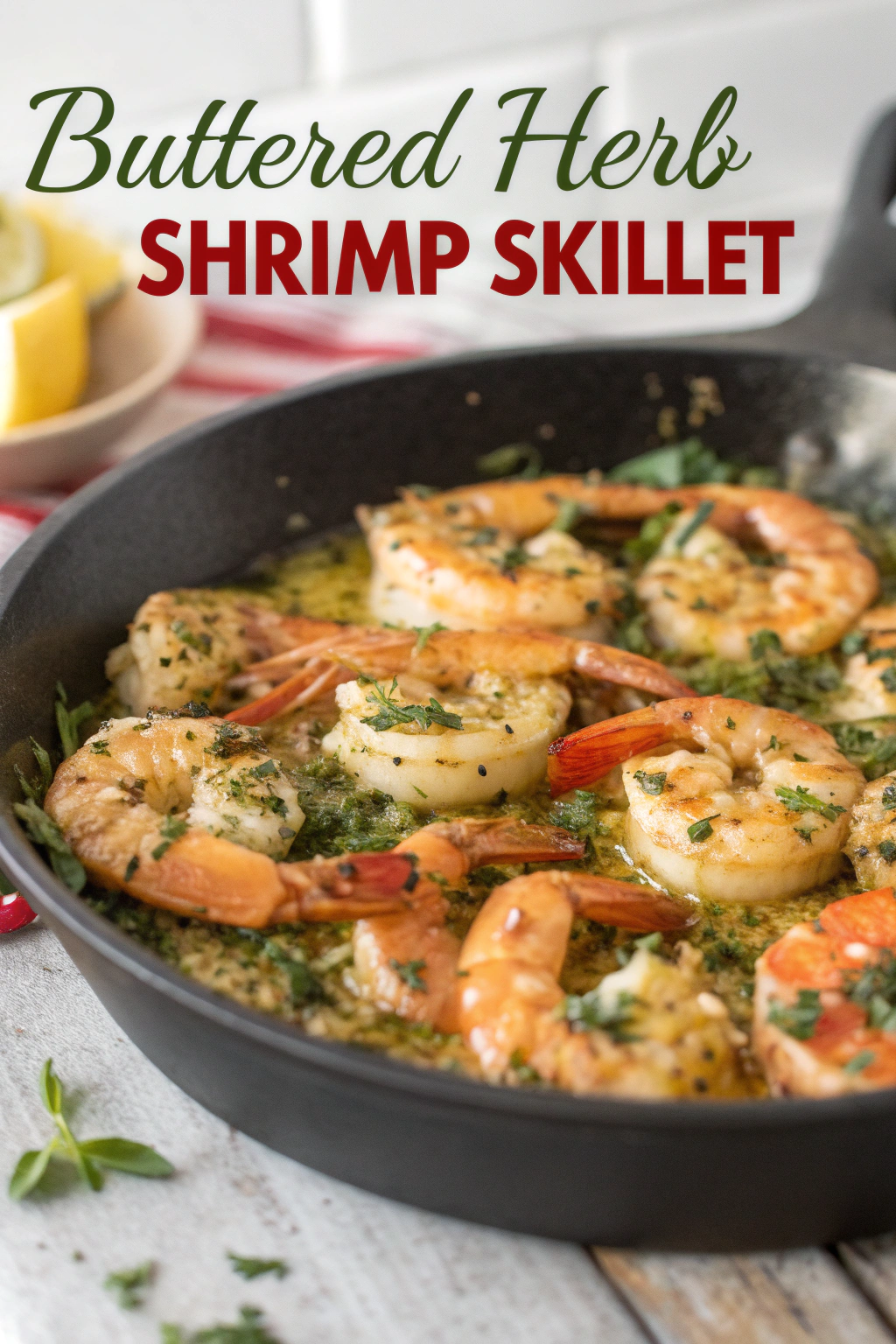
Okay, here’s my little chef’s secret: a sizzling skillet, a hunk of butter, and fresh herbs can make shrimp taste like you bribed a restaurant chef. I stumbled on this combo the night I forgot dinner plans and had to improvise with what was in the fridge — now I guard this method like a recipe heirloom. The trick? Don’t overcrowd the pan, salt at the right moment, and finish with bright lemon and parsley so each bite sings. This butter-forward, herb-bright shrimp comes together in a flash, smells like summer, and looks like you actually planned the whole thing.
Quick Facts
- Yield: Serves 4
- Prep Time: 10 minutes
- Cook Time: 8 minutes
- Total Time: 18 minutes
Why This Recipe is Awesome
This skillet recipe delivers plump, juicy shrimp with glossy, herb-scented butter pooling around them — it’s fast enough for weeknights and fancy enough for guests. You get a contrast of golden, slightly crisp edges and tender centers, bright lemon zing, and a garlicky aroma that fills the kitchen. It’s so easy even your oven can’t mess it up. Who doesn’t love food that looks restaurant-level with minimal effort?
Ingredients
For the Main Dish:
- 1 lb raw large shrimp, peeled and deveined (tails optional)
- 4 tbsp unsalted butter (½ stick)
- 1 tbsp extra-virgin olive oil
- 4 garlic cloves, minced (about 2 tbsp)
- 1 tbsp fresh lemon juice (from ~½ lemon)
- 1 tsp fresh thyme leaves or ¼ tsp dried thyme
- ¼ cup fresh parsley, chopped
- ½ tsp smoked paprika or sweet paprika
- ¾ tsp kosher salt (adjust to taste)
- ¼ tsp black pepper
- ¼ tsp red pepper flakes (optional, for heat)
- ¼ cup dry white wine or low-sodium chicken broth (optional, for deglazing)
For the Sauce / Garnish (if applicable):
- Zest of 1 lemon and extra lemon wedges for serving
- Additional chopped parsley for garnish
How I Make It
Step 1:
I pat the shrimp dry with paper towels — this keeps them from steaming — then toss them with ¾ tsp kosher salt, ¼ tsp black pepper, and ½ tsp smoked paprika. I heat a large skillet over medium-high heat until it sings a little when I flick a drop of water into it. The pan should feel hot but not smoking.
Step 2:
I add 1 tbsp olive oil and 2 tbsp butter, swirling until the butter foams and smells nutty. Then I carefully add the shrimp in a single layer — don’t crowd them. You should hear an immediate cheerful sizzle. Let them sear undisturbed for about 2–3 minutes.
Step 3:
Flip the shrimp to the other side and add the minced garlic, 1 tbsp fresh lemon juice, and 1 tsp thyme leaves. If I want a little pan sauce, I pour in ¼ cup white wine or broth and scrape up the brown bits with a wooden spoon. The kitchen fills with a bright, garlicky aroma and the wine deglazes into a glossy sauce in about 1–2 minutes.
Step 4:
I toss in the remaining 2 tbsp butter and ¼ cup chopped parsley, stirring until the butter melts and coats the shrimp. Watch for color: once the shrimp turn opaque and curl into a loose “C” shape — generally after a total of 4–5 minutes in the pan — I remove them. Overcooked shrimp get rubbery; aim for tender and juicy with golden edges.
Step 5:
I finish with lemon zest, a sprinkle of parsley, and optional red pepper flakes for heat. Serve straight from the skillet so everyone gets a lick of that buttery herb sauce. If you like, spoon the sauce over rice, crusty bread, or a bed of sautéed greens.
Pro Tips
- Buy shrimp thawed if you can — they sear more evenly. If frozen, thaw overnight in the fridge or run under cold water for 10–15 minutes and dry thoroughly.
- Preheat the skillet well. A hot pan gives you a quick sear and keeps shrimp tender. I aim for medium-high and listen for a confident sizzle.
- Don’t crowd the pan. Work in batches if needed — shrimp release moisture and will steam instead of sear if too close together.
- Adjust acidity at the end. If the sauce tastes flat, add another teaspoon of lemon juice to brighten it instantly.
Common Mistakes to Avoid
- Skipping preheating: Classic rookie move. It changes texture and bake time.
- Overmixing: Leads to dense or chewy results. Mix until just combined.
- Guessing cook time: Always use visual cues or a timer, not just vibes.
- Overcrowding pans: Give your food some breathing room to crisp properly.
Alternatives & Substitutions
- Swap shrimp for 1 lb chicken tenders (cut into 1-inch pieces) — cook until internal temp reaches 165°F. Flavor becomes heartier and takes longer to cook.
- For a vegetarian option, use firm tofu (press, cube, and pan-fry) — it soaks up the buttery-herb sauce nicely.
- Substitute butter with olive oil or vegan butter for dairy-free. Note: you’ll lose some of the buttery magic, but you still get great flavor.
- This recipe is naturally gluten-free if you avoid wine with added gluten; use broth instead.
Variations & Tips
- Spicy Kick: Add ½–1 tsp cayenne or extra red pepper flakes for a bold heat.
- Garlic Lovers: Double the garlic and finish with a splash of cream for a lush garlic-butter sauce.
- Mediterranean Twist: Fold in capers, chopped olives, and a handful of cherry tomatoes at the end.
- Herb Swap: Use basil and oregano for an Italian vibe, or cilantro and lime for a fresher, Latin flavor.
- Skillet to Grill: Thread shrimp on skewers, brush with the butter-herb mixture, and grill 2–3 minutes per side.
- One-Pan Meal: Add thin-sliced potatoes or orzo to the pan (par-cook potatoes first) to make it a full dinner.
FAQ (Frequently Asked Questions)
- Can I make this ahead of time?
- Yes! Cook the shrimp until just done, cool, and store in an airtight container in the fridge for up to 2 days. Reheat gently in a skillet over low heat with a splash of water or broth so they don’t dry out. I don’t recommend freezing after cooking — texture suffers.
- Can I double the recipe?
- Sure thing. Use a larger skillet or cook in batches to avoid overcrowding. Timing per batch stays about the same.
- Can I substitute butter with oil?
- Technically yes, but you’ll miss that buttery magic. Use ¾ the amount of oil.
- How do I know it’s done?
- Watch for shrimp to turn opaque and curl into a loose “C.” If they curl tightly into an “O,” they’re probably overcooked. The flesh should feel slightly firm and springy, not rubbery.
- What if I don’t have ingredient X?
- No panic. Use lemon juice if you lack fresh lemon zest; swap thyme for oregano or rosemary; replace white wine with equal parts chicken broth or water plus a pinch of salt.
How I Like to Serve It
I love spooning this over steamed rice or a pile of buttery mashed potatoes so the sauce soaks in. It also works great atop a simple pasta tossed with olive oil and lemon, or on toasted baguette slices for a casual appetizer. Pair with a crisp white wine or an iced tea, and enjoy it on a breezy summer night or a cozy weeknight — it fits every mood.
Notes
- Store leftovers in an airtight container in the fridge for up to 2 days. Reheat gently over low heat with a splash of broth to restore moisture.
- Safe cooking temp note for poultry replacements: cook chicken pieces to 165°F. Shrimp cooks by appearance rather than temp.
Final Thoughts
Closing: Now go impress someone — or just yourself — with your homemade masterpiece!

Hi, I’m Lina, the creator of Lina Easy Recipes.Cooking has always been my passion, and I love sharing simple, homemade dishes that anyone can prepare.
Love What You See?
Join me on Pinterest and Facebook for daily cooking inspiration, new recipe ideas, and behind-the-scenes kitchen stories. Let’s cook something wonderful together!