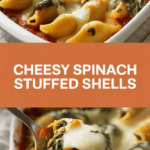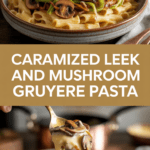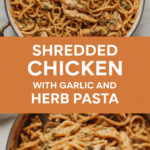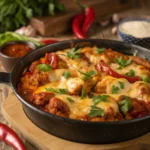
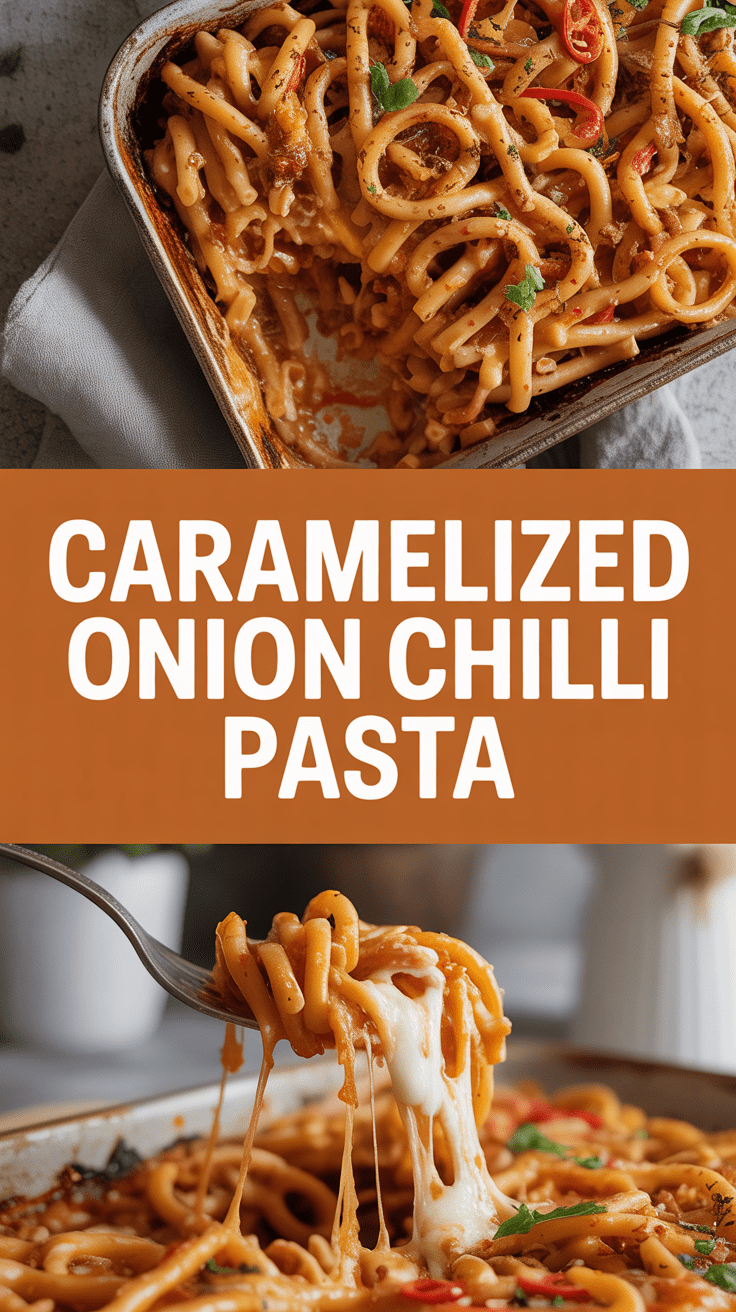
I once made this after a week of takeout and nearly proposed to the person who invented pasta—then realized the real hero was caramelized onion and a sneaky chili kick. Let’s not pretend this is fancy; it’s the kind of dish that makes you feel like you put in effort without actually inventing anything new.
Why This Recipe Is Awesome
This works because caramelized onions are basically culinary black magic: they turn cheap, boring onions into sweet, savory gold that clings to pasta like a warm blanket. Add a little chili for heat, lemon for brightness, and reserved pasta water to glue everything together and you get a sauce that’s rich without needing cream or drama.
It’s fast if you multitask: while onions turn into flavor bombs, the pasta cooks and the rest practically assembles itself. No fancy equipment, no obscure ingredients, and the leftovers reheat like they never left the pan.
Ingredients You’ll Need
- 400 g spaghetti or linguine (or any long pasta you like)
- 3 large yellow onions, thinly sliced (the more, the sultrier)
- 3 tbsp olive oil + 1 tbsp butter (butter is optional if you want vegan)
- 2–3 cloves garlic, finely chopped
- 1–2 fresh red chillies, thinly sliced, or 1 tsp chili flakes (adjust the mood)
- 1 tbsp tomato paste (for depth)
- 100 ml dry white wine or extra pasta water if you’re skipping alcohol
- Zest and juice of 1 lemon
- Salt and freshly ground black pepper
- 50 g grated Parmesan or Pecorino (plus extra to serve) — use a good block, not powder
- Handful of fresh parsley or basil, roughly chopped
- Optional: a pinch of smoked paprika or a splash of soy sauce for umami
Step-by-Step Instructions
-
Step 1
Start by melting the butter with the olive oil in a wide skillet over medium-low heat. Add the sliced onions with a generous pinch of salt to coax out moisture; patience wins here—stir every few minutes, not constantly, until the onions are deep golden and sweet, about 25–35 minutes depending on your pan and heat. If they start to stick, splash in a tablespoon of water or the white wine to lift the fond; that sticky brown is pure flavor, not a disaster.
-
Step 2
While the onions work their magic, cook the pasta in well-salted boiling water until just shy of al dente; scoop out a cup of starchy pasta water before draining. In the skillet with caramelized onions, crank the heat a touch and add garlic, chili, and tomato paste; cook 1–2 minutes until fragrant, then pour in the wine (or some reserved pasta water) and stir to loosen the browned bits. Add the drained pasta straight to the pan, toss with lemon zest, juice, most of the cheese, and a splash or two of pasta water until the sauce becomes glossy and clingy—season to taste, finish with herbs and a drizzle of good olive oil, and serve with extra cheese at the table.
Common Mistakes to Avoid
Turning up the heat to rush the onions will give you burnt edges and bitter regret—low and slow is the mantra. Under-salting the pasta water makes everything taste flat; it should be as salty as the sea, or close enough. And please, don’t toss the pasta water; that cloudy stuff is the secret glue that makes a proper emulsion between the sauce and noodles.
Alternatives & Substitutions
No wine? Use extra pasta water with a splash of vinegar or a bit of apple juice for acidity. Vegan? Swap butter for more olive oil and use nutritional yeast or a vegan parmesan—still delicious. Short pasta like penne works fine, but you’ll want a little more sauce to coat pockets and tubes. Out of fresh chillies? Use chili flakes or a few drops of hot sauce, but add gradually—you can always turn up the heat later.
FAQ
Question 1?
Can I make the onions ahead of time? Yes—caramelized onions keep well in the fridge for 3–4 days and actually taste better after a day or two. Reheat gently and add a splash of water or wine to revive them before finishing the pasta.
Question 2?
My sauce looks watery; did I mess up? No. Add a little more pasta and a splash of cheese, then toss off heat; the starch will thicken it. If it’s still loose, simmer for a minute to reduce, or stir in a small pat of butter (or vegan butter) to emulsify.
Question 3?
Can I add protein? Sure—grilled chicken, sautéed shrimp, or crispy tofu fold in nicely. Keep the flavors balanced: a squeeze more lemon if the protein mutes the brightness, and add herbs at the end so they don’t overcook.
Final Thoughts
This is one of those recipes that feels like a little achievement: caramelizing onions takes time but not effort, and the payoff is giant. It’s flexible, forgiving, and endlessly tweakable, so treat the ingredient list as guidance, not commandments. Make a big batch, invite someone over, or enjoy it all quietly while pretending you shared it—either way, it’ll taste like you tried a lot harder than you actually did.

Hi, I’m Lina, the creator of Lina Easy Recipes.Cooking has always been my passion, and I love sharing simple, homemade dishes that anyone can prepare.
Love What You See?
Join me on Pinterest and Facebook for daily cooking inspiration, new recipe ideas, and behind-the-scenes kitchen stories. Let’s cook something wonderful together!