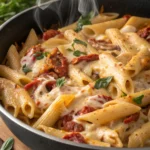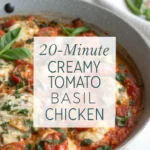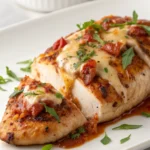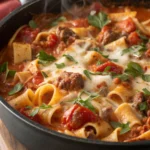
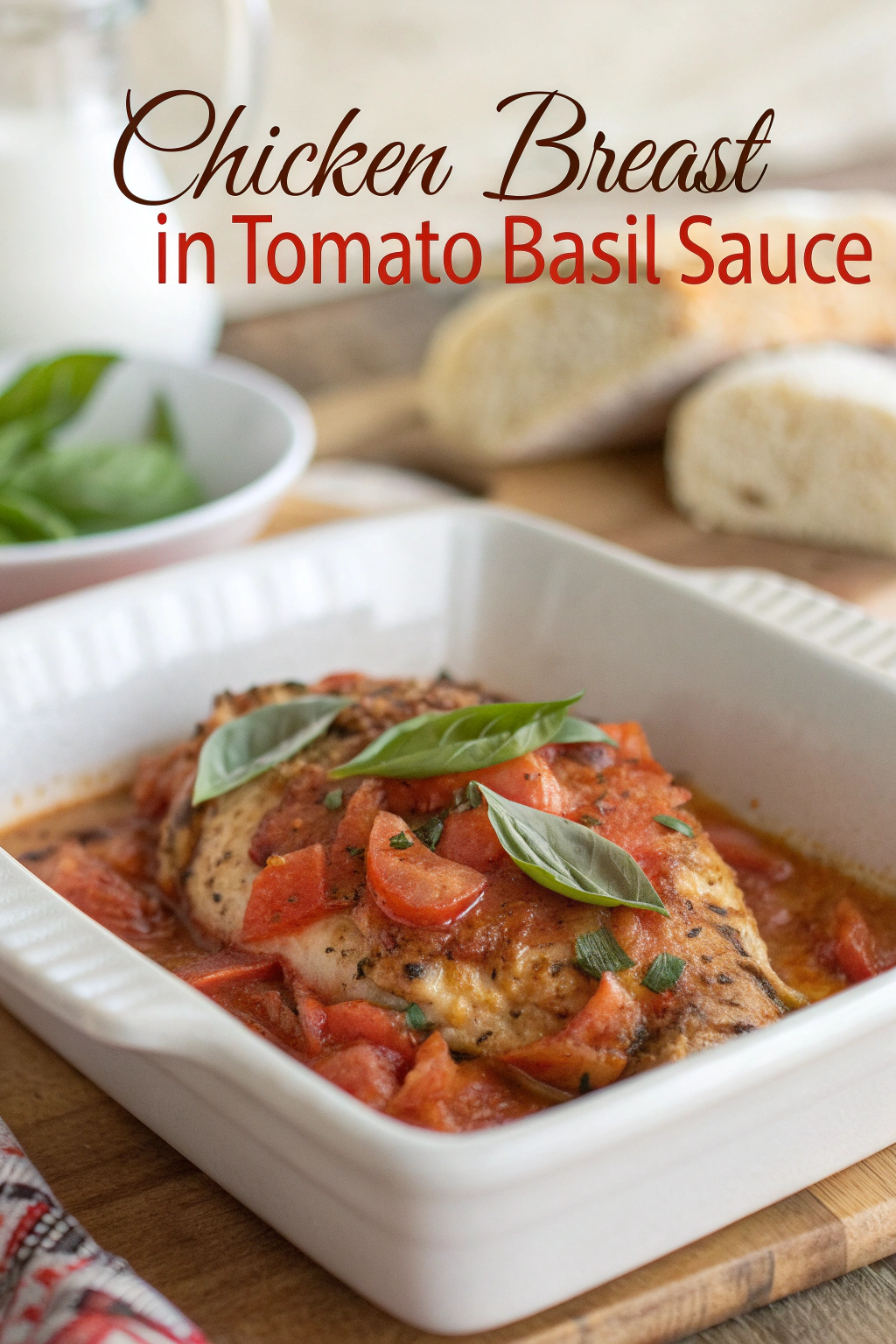
Okay, here’s a little kitchen secret I swear by: you don’t need a long list of ingredients or a culinary degree to make restaurant-worthy chicken. I stumbled on this shortcut when I wanted bright, fresh flavors on a tired weeknight—think sun-warmed tomatoes, fragrant basil, and a quick pan-sizzle that smells like summer. Follow a few simple steps and you’ll have juicy chicken breasts bathed in a tangy, herb-scented sauce that clings like a warm hug to every bite. No fuss, just technique and a tiny chef’s wink.
Quick Facts
- Yield: Serves 4
- Prep Time: 10 minutes
- Cook Time: 20–25 minutes
- Total Time: 30–35 minutes
Why This Recipe is Awesome
This dish tastes bright and comforting at the same time — the tomato sauce hits with a sweet-acid punch while fresh basil keeps everything lively. The chicken gets a quick sear for golden edges and then simmers gently so it stays juicy. It’s fast enough for a weeknight but elegant enough for guests. It’s so easy even your oven can’t mess it up, and the aroma? Imagine garlic and tomatoes sizzling together — you’ll want to eat right out of the pan.
Ingredients
For the Main Dish:
- 1 1/2 to 2 pounds boneless, skinless chicken breasts (about 4 medium breasts)
- 1 tsp kosher salt plus more to taste
- 1/2 tsp black pepper
- 1 tsp dried oregano or Italian seasoning
- 2 tbsp olive oil
- 2 tbsp butter (optional but delicious)
- 1 large shallot, finely chopped (or 1/2 small onion)
- 3 cloves garlic, minced
For the Sauce / Garnish:
- 1 (28 oz) can crushed tomatoes or whole tomatoes smashed by hand
- 1/2 cup low-sodium chicken broth or water
- 1 tbsp tomato paste (for depth)
- 1 tsp sugar (balances acidity — optional)
- 1/3 to 1/2 cup fresh basil, roughly torn
- 1/4 cup grated Parmesan for serving (optional)
- Red pepper flakes, pinch or to taste (optional)
How I Make It
Step 1:
Pat the chicken dry and season both sides with 1 tsp kosher salt, 1/2 tsp black pepper, and 1 tsp dried oregano. Heat a large skillet over medium-high heat until hot, then add 2 tbsp olive oil and 2 tbsp butter if using. You want the fat to shimmer and the pan to give a faint sizzle when the chicken hits it — that sound means flavor. Sear the chicken for 4–6 minutes per side until golden; I aim for a proud, caramelized crust. Transfer the chicken to a plate but leave the pan juices — they pack the sauce with flavor.
Step 2:
Lower the heat to medium and add the chopped shallot. Sauté for about 2 minutes until soft and translucent, then add the minced garlic and stir for 30–45 seconds until fragrant. Watch the garlic — it browns fast. If it starts to smell bitter, toss a splash of broth to cool the pan a touch.
Step 3:
Pour in the 28 oz crushed tomatoes, 1/2 cup chicken broth, and 1 tbsp tomato paste. Stir to combine and scrape up the brown bits from the pan — that’s pure flavor. Add a pinch of red pepper flakes if you like heat and 1 tsp sugar only if the tomatoes taste too sharp. Bring the sauce to a gentle simmer; you’ll see the surface bubble softly and smell a bright, herby tomato aroma filling the kitchen.
Step 4:
Return the seared chicken to the skillet, nestling each breast into the sauce. Spoon some sauce over the top and simmer, uncovered, for 8–10 minutes until the chicken reaches an internal temperature of 165°F and gives slightly when pressed. Look for glossy sauce clinging to the chicken and edges that go from golden to deeply caramelized — that contrast makes every bite sing.
Step 5:
Turn off the heat and stir 1/3–1/2 cup fresh basil into the sauce; the residual heat wilts it into perfume. Let the dish rest for 3–5 minutes before serving so the juices redistribute. Finish with a grating of Parmesan and a drizzle of extra-virgin olive oil if you’re feeling fancy. Serve over mashed potatoes, polenta, pasta, or with a crisp green salad.
Pro Tips
- Use room-temperature chicken for even cooking — take it out of the fridge for 15 minutes before cooking.
- If your sauce tastes flat, add a splash of vinegar or a squeeze of lemon to brighten it up.
- Don’t crowd the pan when searing; work in batches to keep that golden crust.
- Prefer a creamier finish? Stir in 2 tbsp Greek yogurt or a splash of cream off the heat for silkiness.
Common Mistakes to Avoid
- Skipping preheating: Classic rookie move. It changes texture and bake time.
- Overmixing: Leads to dense or chewy results. Mix until just combined.
- Guessing cook time: Always use visual cues or a timer, not just vibes.
- Overcrowding pans: Give your food some breathing room to crisp properly.
Alternatives & Substitutions
- Swap chicken for firm tofu or eggplant steaks for a vegetarian version — expect a softer texture and soak the sauce longer to infuse flavor.
- Replace butter with olive oil for dairy-free cooking; you lose a bit of that buttery magic but keep the richness.
- Use canned diced tomatoes if you prefer texture; the sauce will be chunkier and fresher-tasting.
- For a gluten-free meal, serve over rice, polenta, or gluten-free pasta.
Variations & Tips
- Spicy: Add a diced jalapeño with the shallot or increase red pepper flakes.
- Kid-friendly: Omit red pepper flakes and shred the chicken into small pieces for picky eaters.
- Mediterranean twist: Add 1/2 cup olives and 2 tbsp capers for briny notes.
- Creamy tomato: Stir in 1/4 cup mascarpone at the end for a silky sauce.
- Herb-forward: Swap basil for a mix of parsley and oregano if you’re out of basil.
- One-pan dinner: Nestle halved baby potatoes under the chicken and roast at 400°F for 25–30 minutes instead of stovetop simmering.
FAQ (Frequently Asked Questions)
- Can I make this ahead of time?
- Yes! Cook the sauce and chicken, cool, then store in an airtight container in the fridge for up to 3 days. Reheat gently on the stove over low heat, adding a splash of broth to loosen the sauce.
- Can I double the recipe?
- Sure thing. Use a larger skillet or two pans so you don’t overcrowd. Cooking time per piece stays the same, but you may need a few extra minutes to bring a larger volume of sauce to a simmer.
- Can I substitute butter with oil?
- Technically yes, but you’ll miss that buttery magic. Use ¾ the amount of oil.
- How do I know it’s done?
- You’ll know by feel and temperature: the chicken should register 165°F and feel springy, not jiggly. The sauce should cling and look glossy, with aromatics smelling sweet and bright.
- What if I don’t have ingredient X?
- Out of basil? Use parsley or a pinch of dried basil (add early). No canned tomatoes? Use fresh tomatoes, peeled and chopped — simmer a bit longer to break them down.
How I Like to Serve It
I love this over a pile of buttery mashed potatoes with a crisp glass of white wine on a chilly night. In summer, I toss it with angel hair pasta and a simple arugula salad for something lighter. It stays great for packed lunches, too — slice the chicken and spoon the sauce over rice for an easy midday treat.
Notes
- Store leftovers in the fridge for up to 3 days or freeze for up to 3 months.
- Always cook chicken to a safe internal temperature: 165°F.
Final Thoughts
Closing: Go on — make this tonight. It’s fast, forgiving, and wildly satisfying. Now go impress someone — or just yourself — with your homemade masterpiece!

Hi, I’m Lina, the creator of Lina Easy Recipes.Cooking has always been my passion, and I love sharing simple, homemade dishes that anyone can prepare.
Love What You See?
Join me on Pinterest and Facebook for daily cooking inspiration, new recipe ideas, and behind-the-scenes kitchen stories. Let’s cook something wonderful together!