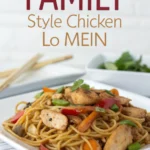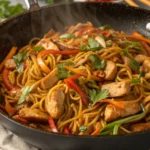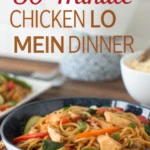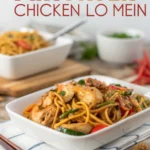

Okay, lean in — I’m about to share a little kitchen cloak-and-dagger move that turned my weekday dinners from “meh” to “oh wow” in under 20 minutes. As a chef’s secret, I learned to toss the chicken in a tiny cornstarch-sauce bath before it ever met the pan; that thin veil gives you glossy sauce cling, juicier meat, and slightly crisp edges without deep-frying. The rest is all about high heat, quick motion, and layering flavors: nutty sesame, bright rice vinegar, salty soy, and a pinch of sugar to tie it together. If your weeknights need a hero dish, this Classic Homemade Chicken Lo Mein plays that part perfectly — fast, flexible, and impossibly comforting.
Quick Facts
- Yield: Serves 4
- Prep Time: 15 minutes
- Cook Time: 15 minutes
- Total Time: 30 minutes
Why This Recipe is Awesome
Because it tastes like takeout but takes way less effort and you control the ingredients. The noodles come out glossy and silky, the chicken stays juicy with a slightly crisp exterior, and the veggies add bright crunch. It’s fast, forgiving, and makes the kitchen smell like garlicky, sesame-scented heaven. Bonus: it’s so easy even your busiest weeknight can look fancy. Who doesn’t love that sizzle when the sauce hits a hot pan?
Ingredients
For the Main Dish:
- 1 lb boneless skinless chicken breasts or thighs, thinly sliced
- 12 oz lo mein or egg noodles (or spaghetti in a pinch)
- 2 tbsp vegetable oil or other neutral oil
- 1 medium carrot, julienned (about 1 cup)
- 1 red bell pepper, thinly sliced (about 1 cup)
- 1 cup snap peas or snow peas, trimmed
- 3 green onions, sliced on the diagonal
- 3 cloves garlic, minced
- 1 tbsp fresh ginger, grated
- 1 tsp toasted sesame oil
- Salt and fresh pepper to taste
For the Sauce / Garnish (if applicable):
- 3 tbsp low-sodium soy sauce (or tamari for gluten-free)
- 1 tbsp oyster sauce (optional, adds depth)
- 1 tbsp rice vinegar
- 1 tbsp brown sugar or honey
- 1 tsp cornstarch mixed with 2 tbsp water (slurry)
- Sesame seeds for garnish (optional)
How I Make It
Step 1:
Start by cooking the noodles according to package directions until just al dente. Drain and rinse under cold water to stop them from sticking. Toss the drained noodles with a drizzle of 1 tsp sesame oil so they don’t clump. Meanwhile, toss the sliced chicken with 1 tbsp soy sauce and 1 tsp cornstarch — that little coating is the secret I promised. It locks in juices and gives a glossy finish when the sauce hits.
Step 2:
Heat a large wok or skillet over high heat until it radiates heat — you want it hot enough to make the oil ripple. Add 2 tbsp vegetable oil and swirl. Add the chicken in a single layer and let it sizzle; don’t crowd the pan. Stir-fry until the pieces get golden on the edges and just lose their pink, about 3–4 minutes. Transfer the chicken to a plate.
Step 3:
In the same pan, add a splash more oil if needed, then toss in the garlic and ginger. Listen for that immediate sizzle and inhale — garlicky and toasty. Add the carrots and bell pepper and stir-fry for about 2 minutes until they brighten and begin to soften but still snap. Stir in the snow peas and half the green onions, cook 1 minute.
Step 4:
Return the chicken and any juices to the pan. Pour the sauce mixture (soy, oyster sauce, rice vinegar, brown sugar) over everything, then add the cornstarch slurry. Toss quickly — the pan should bubble and the sauce will thicken to cling to the noodles and chicken in about 30–60 seconds. Add the noodles and gently toss or use tongs to marry every strand with sauce. Taste and adjust: more soy if you want salt, a squeeze of rice vinegar for brightness.
Step 5:
Turn off the heat and stir in the remaining green onions and 1 tsp sesame oil for a final nutty pop. Sprinkle with sesame seeds if you like. Serve hot, straight from the pan — the noodles should be glossy, the veggies still bright, the chicken juicy. If something clumps, give it a quick toss with a splash of water and reheat for 15–20 seconds.
Pro Tips
- Pat the chicken dry before slicing so the cornstarch sticks and you get better sear and texture.
- Use a very hot pan and don’t overcrowd — you want quick sear, not a stew. Work in batches if needed.
- Prep everything first (mise en place). Stir-frying moves fast and you’ll thank yourself when you don’t have burnt garlic.
- For a deeper flavor, brown the chicken a little more and deglaze the pan with a tiny splash of water before adding the sauce.
Common Mistakes to Avoid
- Skipping preheating: Classic rookie move. It changes texture and bake time.
- Overmixing: Leads to dense or chewy results. Mix until just combined.
- Guessing cook time: Always use visual cues or a timer, not just vibes.
- Overcrowding pans: Give your food some breathing room to crisp properly.
Alternatives & Substitutions
- Chicken ↔ tofu: Use firm tofu, press out moisture and toss in cornstarch, then pan-fry until golden. Texture becomes chewier and soaks up sauce wonderfully.
- Soy sauce ↔ tamari: Use tamari for a gluten-free option; flavor stays very similar.
- Oyster sauce ↔ hoisin: Hoisin adds sweetness and depth if you don’t have oyster sauce.
- Dairy-free: This recipe already stays dairy-free. For gluten-free, use tamari and gluten-free noodles.
Variations & Tips
- Spicy: Add 1 tsp chili garlic sauce or freshly sliced chilies to the sauce for a kick.
- Kid-friendly: Keep the veggies finely chopped and leave out spicy ingredients.
- Veg-forward: Double the veg and halve the chicken for a lighter, plant-forward bowl.
- Peanut twist: Stir in 2 tbsp peanut butter into the sauce for a satay-inspired version.
- Classic takeout mimic: Add a splash of dark soy sauce for color and 1 tsp sesame oil for aroma right at the end.
- Sheet-pan shortcut: Roast the chicken and veggies while boiling noodles for hands-off prep if you don’t want to stir-fry.
FAQ (Frequently Asked Questions)
- Can I make this ahead of time?
- Yes! Cook the components separately: noodles, chicken, and veggies. Store in airtight containers in the fridge for up to 3 days. Reheat in a hot skillet with a splash of water or broth so the noodles loosen and the sauce revives.
- Can I double the recipe?
- Sure thing. Use a very large wok or do two batches to avoid crowding. Doubling the sauce is safe, but taste as you go — you may need to tweak seasoning.
- Can I substitute butter with oil?
- Technically yes, but you’ll miss that buttery magic. Use ¾ the amount of oil.
- How do I know it’s done?
- Chicken should reach an internal temperature of 165°F and have no pink in the center. Noodles should be tender but still slightly firm (al dente). Veggies should stay bright and a bit crisp.
- What if I don’t have ingredient X?
- No panic — use pantry swaps: no rice vinegar? Use a splash of apple cider vinegar. No brown sugar? Use honey or white sugar (slightly less). No oyster sauce? Stir in 1 tsp fish sauce or more soy + a pinch of sugar.
How I Like to Serve It
I serve this lo mein straight from the skillet with extra sliced green onions and a bowl of chili oil for anyone who wants heat. It makes a perfect weeknight centerpiece, a great dish for potlucks, and it travels well for lunches. Pair it with a crisp cucumber salad or steamed broccoli to balance the savory richness. It feels cozy in fall but bright enough for warm-weather dinners.
Notes
- Store leftovers in the fridge for up to 3 days. Reheat in a skillet with a splash of water or broth to revive the sauce.
- Safe chicken temp: cook to 165°F for safety and best juiciness.
Final Thoughts
Closing: Now go impress someone — or just yourself — with your homemade masterpiece!

Hi, I’m Lina, the creator of Lina Easy Recipes.Cooking has always been my passion, and I love sharing simple, homemade dishes that anyone can prepare.
Love What You See?
Join me on Pinterest and Facebook for daily cooking inspiration, new recipe ideas, and behind-the-scenes kitchen stories. Let’s cook something wonderful together!