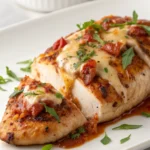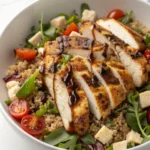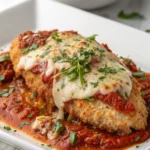

Chef’s Secret: If you want a quick dinner that tastes like you spent hours on it, here’s a kitchen trick I guard like a spice jar: finish seared chicken in a silky pesto-cream sauce and the whole house smells like a trattoria. I learned this on a busy weeknight when I had three hungry people and a refrigerator full of optimism — a generous spoonful of store-bought pesto turned humble chicken into something restaurant-worthy. The sauce grabs onto the chicken, so every bite comes out glossy and comforting, with that bright basil-green flash against golden edges. Keep a thermometer handy and you’ll look like a pro every time.
Quick Facts
- Yield: Serves 4
- Prep Time: 10 minutes
- Cook Time: 20–25 minutes
- Total Time: 30–35 minutes
Why This Recipe is Awesome
This is the weeknight hero you didn’t know you needed. Creamy, herb-forward pesto meets juicy, pan-seared chicken breasts for contrast between a slightly crisp, golden exterior and a tender, juicy center. The sauce feels indulgent but uses everyday pantry staples — no fancy equipment required. It’s fast, forgiving, and smells like basil and garlic heaven. And honestly? It’s so easy even your oven can’t mess it up.
Ingredients
For the Main Dish:
- 4 boneless, skinless chicken breasts (about 6 oz each)
- Salt and black pepper, to taste
- 1 tbsp olive oil
- 1 tbsp butter
- 3 cloves garlic, minced (about 1 tbsp)
- 1/2 cup store-bought or homemade basil pesto
- 3/4 cup heavy cream (or half-and-half for a lighter sauce)
- 1/3 cup grated Parmesan cheese
- 1 tbsp lemon juice (fresh)
- Fresh basil leaves for garnish (optional)
For the Sauce / Garnish (if applicable):
- Extra pesto (1–2 tbsp) to swirl on top when serving
- Cracked black pepper and a pinch of red pepper flakes (optional)
How I Make It
Step 1:
Preheat your oven to 400°F. Pat the chicken breasts dry with paper towels — moisture steals browning, and I want that lovely golden crust. Season both sides generously with salt and pepper. Heat a large oven-safe skillet over medium-high heat and add the olive oil and butter. When the fat shimmers and the butter foams, place the chicken in the pan and let it sizzle without moving for about 3–4 minutes, until the underside turns deep golden. That sizzle? Music.
Step 2:
Flip the chicken and sear the other side for 2 minutes. Transfer the seared chicken to a plate for a moment. Reduce heat to medium, add the minced garlic to the same skillet, and stir for about 30 seconds until fragrant — you’ll get that warm, toasty garlic smell. Don’t let it burn; garlic turns bitter fast. Tip: scrape up browned bits with a wooden spoon — that’s flavor gold.
Step 3:
Pour in the heavy cream and bring it to a gentle simmer. Whisk in the pesto and Parmesan until the sauce turns glossy and thickens slightly, about 2–3 minutes. Stir in the lemon juice to brighten the sauce. The color should be a pretty muted green, and the aroma will make you slow down and take a breath — basil, cream, garlic, cheese.
Step 4:
Nestle the chicken back into the skillet spooning some sauce over the top. Slide the skillet into the preheated oven and bake for 8–12 minutes, depending on thickness, until the internal temperature reaches 165°F and juices run clear. Look for slightly puffed sauce edges and golden chicken rims. I poke the thickest part with a thermometer rather than guessing — always trust your thermometer.
Step 5:
Remove the skillet from the oven and let the chicken rest for 5 minutes — this keeps the juices locked in. Spoon extra sauce over each breast, add a drizzle of extra pesto if you like, and scatter torn fresh basil leaves and a little cracked pepper. The sauce should coat the chicken in a silky, clingy blanket that glistens with every forkful.
Pro Tips
- For even cooking, pound thicker breasts to an even thickness or slice them horizontally into cutlets.
- Use a quick-read thermometer to hit 165°F precisely — no guessing, no dry chicken.
- If the sauce gets too thick, loosen it with a splash of chicken broth or water, 1 tbsp at a time.
- Swap half-and-half for heavy cream if you want a lighter sauce; it won’t be quite as rich but still delicious.
Common Mistakes to Avoid
- Skipping preheating: Classic rookie move. It changes texture and bake time.
- Overmixing: Leads to dense or chewy results. Mix until just combined.
- Guessing cook time: Always use visual cues or a timer, not just vibes.
- Overcrowding pans: Give your food some breathing room to crisp properly.
Alternatives & Substitutions
- Use boneless skinless chicken thighs for more forgiving, juicier meat — they need similar sear time but check doneness.
- Swap heavy cream for full-fat Greek yogurt (stirred in off-heat) for a tangier, lighter sauce — texture changes slightly.
- For dairy-free: use coconut cream or a cashew cream and nutritional yeast instead of Parmesan for savory depth.
- Make it vegetarian: substitute thick slices of roasted portobello or about 14 oz firm tofu (pressed and seared) in place of chicken.
Variations & Tips
- Spicy version: add 1/4 tsp red pepper flakes to the sauce and finish with a pinch on top.
- Kid-friendly: omit red pepper and serve with buttery mashed potatoes or buttered noodles to soak up sauce.
- Mediterranean twist: fold in sun-dried tomatoes and olives for a briny contrast.
- One-pan dinner: sear chicken, remove, sauté sliced mushrooms and spinach in the same pan, then add sauce and return chicken — extra veggies, no extra dishes.
- Creative twist: stir in 2 oz cream cheese for an ultra-silky texture and tangy richness.
FAQ (Frequently Asked Questions)
- Can I make this ahead of time?
- Yes! Sear the chicken and make the sauce, then cool and store separately in airtight containers for up to 2 days in the fridge. Reheat gently on the stovetop over low heat, adding a splash of water or broth to loosen the sauce. Reheat only until the chicken hits 165°F again — don’t overcook.
- Can I double the recipe?
- Sure thing. Use two skillets or sear in batches to avoid overcrowding. If baking, use a larger oven-safe dish and monitor cook time — thicker or more crowded pieces may need a few extra minutes.
- Can I substitute butter with oil?
- Technically yes, but you’ll miss that buttery magic. Use ¾ the amount of oil.
- How do I know it’s done?
- Check the internal temperature with a thermometer — 165°F in the thickest part means safe, juicy chicken. Look for golden edges, slightly firm (not rock-hard) texture, and clear juices when pierced. The sauce should cling and look glossy.
- What if I don’t have ingredient X?
- No pesto? Mix 1/4 cup fresh basil, 2 tbsp olive oil, 1 clove garlic, and 2 tbsp grated Parmesan in a blender until smooth. No Parmesan? Use extra grated hard cheese or a tablespoon of nutritional yeast for nuttiness.
How I Like to Serve It
I love this over a bed of buttery linguine for a cozy weeknight — the noodles soak up the pesto-cream like a dream. It also shines alongside a crisp green salad and a glass of chilled white wine on a warm evening. For a lighter meal, serve it on a pile of sautéed spinach or cauliflower rice. This dish fits date nights, family dinners, or when you want to feel fancy but stay relaxed.
Notes
- Store leftovers in an airtight container for up to 3 days. Reheat gently on the stovetop or in the microwave with a splash of water or broth.
- Safe internal temp for chicken: 165°F. Rest chicken 5 minutes after cooking to retain juices.
Final Thoughts
Closing: Now go impress someone — or just yourself — with your homemade masterpiece! Keep a crusty loaf nearby; you’ll want to mop up every last drop of that creamy pesto sauce.

Hi, I’m Lina, the creator of Lina Easy Recipes.Cooking has always been my passion, and I love sharing simple, homemade dishes that anyone can prepare.
Love What You See?
Join me on Pinterest and Facebook for daily cooking inspiration, new recipe ideas, and behind-the-scenes kitchen stories. Let’s cook something wonderful together!