
Chef’s Secret: Alright, tiny confession — I learned the trick to perfect lo mein while trying to impress a date who loved takeout more than life itself. The secret? Don’t treat this like a fussy restaurant dish; treat it like a quick, flavorful stir-fry with a handful of pantry heroes. I’ll show you how to get glossy, saucy noodles, slightly crisp-tender vegetables, and juicy bites of chicken that actually taste better than delivery — all in under 30 minutes. You’ll hear the sizzle, smell the toasty sesame, and fall instantly into noodle bliss. Stick with me and I’ll give you the shortcut and the tweak pros use to get restaurant-style texture at home.
Quick Facts
- Yield: Serves 4
- Prep Time: 15 minutes
- Cook Time: 15 minutes
- Total Time: 30 minutes
Why This Recipe is Awesome
This Easy Chicken Lo Mein comes together fast, uses simple grocery-store ingredients, and delivers big on comfort — soft, glossy noodles, bright crunchy veggies, and savory-sweet sauce. It’s so easy even your oven can’t mess it up. The texture plays between silky noodles and snappy vegetables, and the aroma? Deeply savory with a hint of toasted sesame that makes the whole kitchen sing.
Ingredients
For the Main Dish:
- 8 oz lo mein noodles (or spaghetti if you must)
- 1 lb boneless, skinless chicken breast, thinly sliced into bite-size strips
- 2 tbsp vegetable oil (or canola)
- 2 cups cabbage, thinly sliced (about 2 cups packed)
- 1 cup carrots, julienned or thinly sliced
- 1 cup bell pepper, thinly sliced (any color)
- 3 green onions, sliced on the bias
- 2 cloves garlic, minced
- 1 tsp fresh ginger, minced or grated
For the Sauce / Garnish (if applicable):
- 3 tbsp soy sauce (use low-sodium if preferred)
- 1 tbsp oyster sauce (optional, but I love it)
- 1 tbsp sesame oil
- 1 tbsp rice vinegar or apple cider vinegar
- 1 tbsp brown sugar or honey
- 1/4 cup chicken broth or water
- 1 tsp cornstarch mixed with 1 tbsp cold water (slurry)
- Sesame seeds and extra sliced green onions for garnish
How I Make It
Step 1:
Bring a large pot of salted water to a boil and cook the 8 oz lo mein noodles according to package, but stop 1 minute before the package time so they finish in the pan — they should feel tender but slightly firm. Drain and toss with a drizzle of 1 tsp sesame oil to prevent sticking. You want glossy, slightly chewy noodles, not mush.
Step 2:
Pat the 1 lb chicken dry and season with a pinch of salt and pepper. Heat a large skillet or wok over high heat until it smokes lightly, then add 1 tbsp vegetable oil. Flicking oil? Wear short sleeves — the sizzle is dramatic. Add the chicken in a single layer and sear for about 2–3 minutes without touching to get color, then stir and cook until nearly done, about another 1–2 minutes. Remove chicken to a plate. (Tip: thin slices cook fast — don’t overcook or it dries out.)
Step 3:
Turn the heat back up and add the remaining 1 tbsp oil. Toss in the garlic and ginger; let them bloom for about 15–20 seconds until fragrant. Add the carrots, bell pepper, and cabbage and stir-fry for 2–3 minutes until vegetables smell bright and the cabbage softens but still has crunch. Listen for that lively sizzle — that’s flavor being made.
Step 4:
Return the chicken to the pan, pour in the mixed sauce (soy sauce, oyster sauce, rice vinegar, brown sugar, and chicken broth), and bring to a simmer. Stir the cornstarch slurry and pour it in to thicken slightly. Add the noodles and toss vigorously for 1–2 minutes so the sauce coats every strand. Watch for glossy noodles and a saucy sheen — that’s your cue.
Step 5:
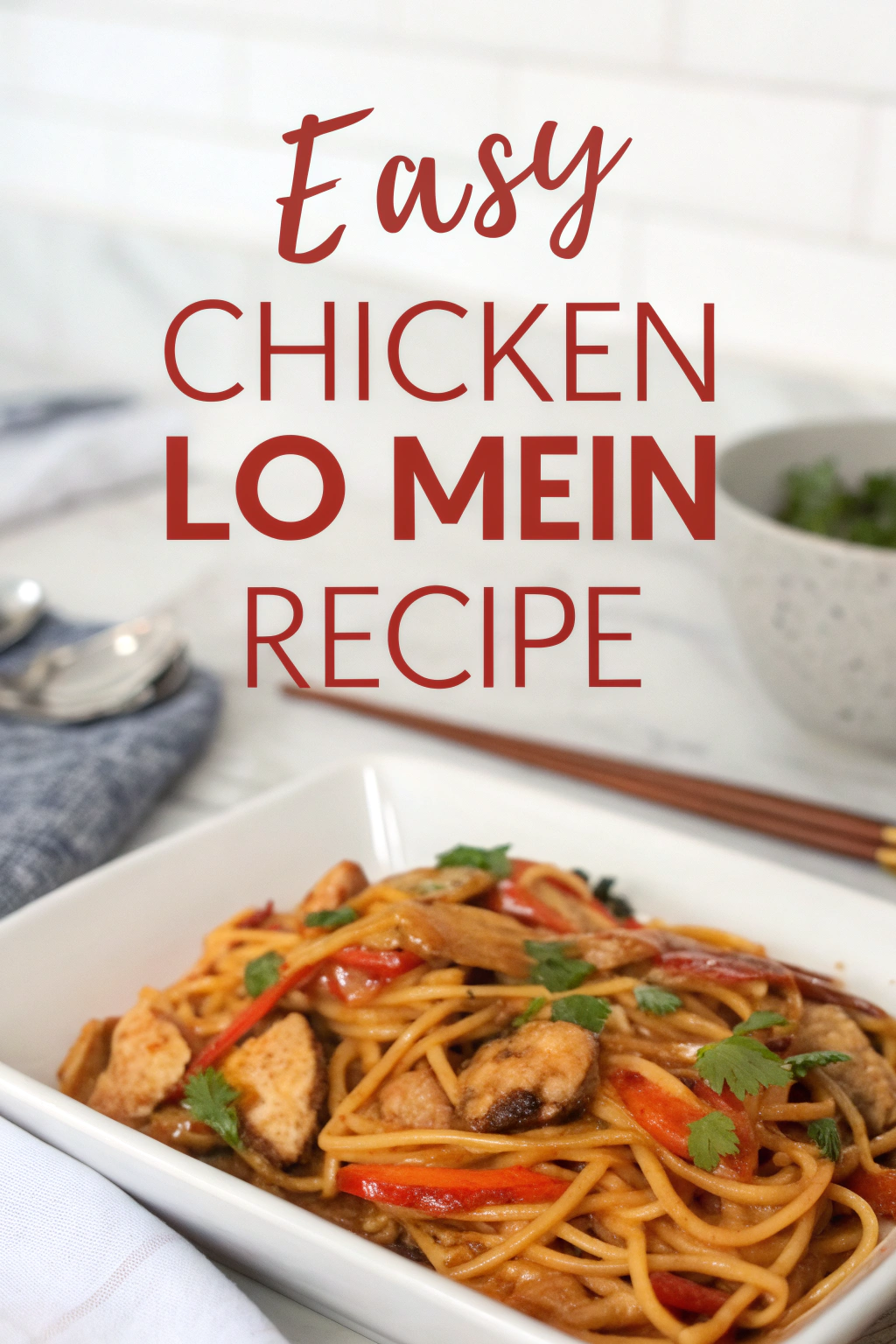
Turn off the heat and fold in the sliced green onions and a final drizzle of sesame oil. Taste and adjust salt or sweetness. Serve hot with a sprinkle of sesame seeds. The finished dish should smell toasty, taste savory with a sweet note, and show colorful vegetables against shiny noodles.
Pro Tips
- Slice the chicken thin and against the grain for the most tender bites.
- Use a hot pan and don’t overcrowd; sear in batches if needed so you get those browned edges.
- Make the sauce ahead and taste it — you can dial more soy for saltiness or add a splash of rice vinegar for brightness.
- If you want more “restaurant” richness, add 1 tsp sesame oil at the end rather than during cooking for a fragrant finish.
Common Mistakes to Avoid
- Skipping preheating: Classic rookie move. It changes texture and bake time.
- Overmixing: Leads to dense or chewy results. Mix until just combined.
- Guessing cook time: Always use visual cues or a timer, not just vibes.
- Overcrowding pans: Give your food some breathing room to crisp properly.
Alternatives & Substitutions
- Chicken ↔ Tofu: Swap chicken for 12 oz firm tofu (press and cube). Tofu absorbs the sauce and keeps it vegetarian.
- Oyster sauce: Omit for vegetarian or use 1 tbsp hoisin sauce for depth — slightly sweeter.
- Soy sauce (gluten-free): Use tamari to make this gluten-free; flavor stays robust.
- Sesame oil: If allergic, skip it; use a neutral oil and finish with a squeeze of lime for brightness.
Variations & Tips
- Spicy: Add 1–2 tsp chili garlic sauce to the sauce or sprinkle red pepper flakes when serving.
- Kid-friendly: Reduce garlic and ginger, chop vegetables small, and keep sauce milder.
- Veg-forward: Double the vegetables and drop chicken to make it more salad-like and lighter.
- One-pan dinner: Cook noodles separately and finish everything in the wok to maintain texture.
- Creative twist: Swap noodles for zucchini ribbons for a low-carb version and toss quickly to avoid sogginess.
FAQ (Frequently Asked Questions)
- Can I make this ahead of time?
- Yes! Cook everything but don’t add the final sesame oil. Store in an airtight container up to 3 days. Reheat gently in a skillet over medium heat with a splash of water or broth to loosen the sauce.
- Can I double the recipe?
- Sure thing. Use a very large wok or cook in two batches so you don’t overcrowd the pan; otherwise the chicken and veggies steam instead of sear.
- Can I substitute butter with oil?
- Technically yes, but you’ll miss that buttery magic. Use ¾ the amount of oil.
- How do I know it’s done?
- Chicken reaches safe temp at 165°F and should show no pink inside. Noodles should look glossy and move freely in the pan; veggies should be bright and slightly crisp-tender.
- What if I don’t have ingredient X?
- Out of oyster sauce? Use hoisin or add a pinch of sugar and a splash more soy. No rice vinegar? Use apple cider vinegar but cut it to 2 tsp to start.
How I Like to Serve It
I love serving this lo mein on weeknights with a quick cucumber salad or steamed broccoli. It pairs well with cold beer or jasmine tea. For a casual dinner party, set out chili oil, extra soy, and lime wedges so people can customize. It works for cozy winter nights and bright spring evenings alike — comfort food that still feels fresh.
Notes
- Store leftovers in an airtight container for up to 3 days. Reheat in a skillet with a splash of broth to revive the sauce.
- Chicken safe internal temperature: 165°F. Use an instant-read thermometer to be sure.
Final Thoughts
Closing: Now go impress someone — or just yourself — with your homemade masterpiece! This lo mein likes to be loud with flavor and forgiving with technique, so have fun and taste as you go.

Hi, I’m Lina, the creator of Lina Easy Recipes.Cooking has always been my passion, and I love sharing simple, homemade dishes that anyone can prepare.
Love What You See?
Join me on Pinterest and Facebook for daily cooking inspiration, new recipe ideas, and behind-the-scenes kitchen stories. Let’s cook something wonderful together!