
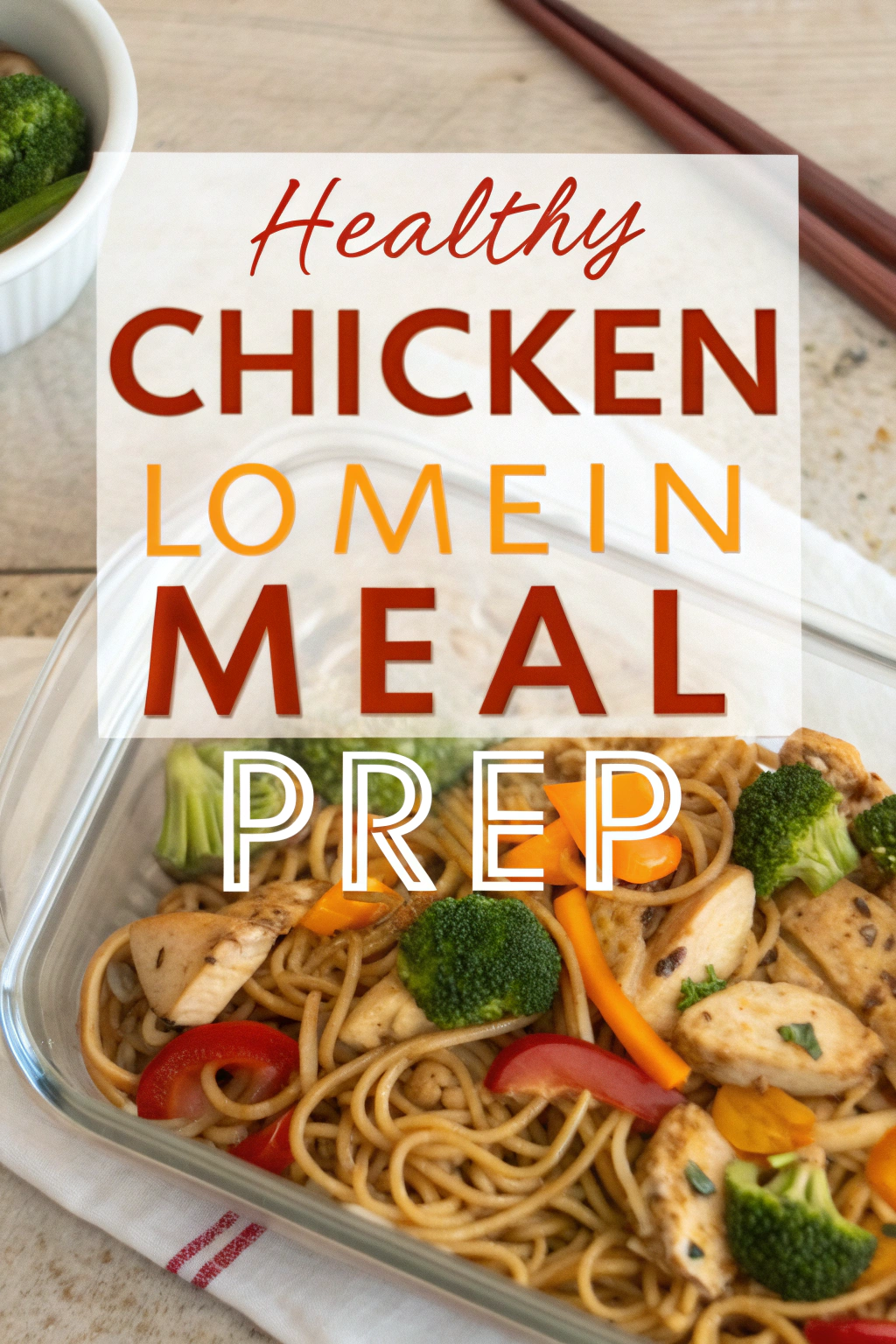
There’s something about a warm bowl of lo mein that wraps me up like a soft blanket on a rainy afternoon—sticky sauce clinging to every noodle, the bright snap of vegetables, and the homey smell of garlic and ginger. I make this Healthy Chicken Lo Mein when I want comfort without the post-meal slump: lean **chicken**, bright veggies, and a sauce that tastes indulgent but keeps things balanced. I’ll walk you through simple swaps, meal-prep tricks, and the little kitchen moves I swear by—like how to get noodles glossy without turning them into glue. Trust me, by the time the garlic sizzles and the soy caramelizes, you’ll feel like you’ve just landed dinner magic in under 30 minutes.
Quick Facts
- Yield: Serves 4
- Prep Time: 15 minutes
- Cook Time: 20 minutes
- Total Time: 35 minutes
Why This Recipe is Awesome
This recipe gives you the silky, savory satisfaction of takeout without the greasy heaviness. The noodles stay slightly chewy, the chicken cooks juicy and tender, and the sauce clings with a glossy sheen. It’s fast, forgiving, and flexible—perfect for weeknight meal prep or a cozy solo dinner. Plus, it makes the kitchen smell like a restaurant: warm soy, toasty sesame, and bright ginger. Who doesn’t love a dish that eats like a treat but behaves like a healthy weekday reward?
Ingredients
For the Main Dish:
- 1 lb boneless, skinless **chicken breast** (or thighs), thinly sliced
- 8 oz lo mein noodles (or spaghetti)
- 1 cup shredded or thinly sliced **carrots** (about 2 medium)
- 1 cup thinly sliced **bell pepper** (any color)
- 1 cup **snap peas** or snow peas
- 4 scallions, sliced (white and green parts separated)
- 2 cloves garlic, minced
- 1 tbsp grated fresh **ginger**
- 1 tbsp **sesame oil**
- 2 tbsp vegetable oil (for stir-frying)
- 1 tbsp cornstarch (for dusting chicken)
- Sesame seeds for garnish (optional)
For the Sauce / Garnish (if applicable):
- 3 tbsp low-sodium **soy sauce** (or tamari for gluten-free)
- 1 tbsp oyster sauce (optional for depth) or extra soy for vegetarian
- 1 tbsp honey or maple syrup
- 1 tbsp **rice vinegar**
- 1 tsp toasted sesame oil (extra flavor)
- 1/4 cup low-sodium chicken broth or water (reserve some noodle water)
- 1/2 tsp crushed red pepper flakes (optional)
How I Make It
Step 1:
Bring a large pot of salted water to a boil and cook the **noodles** according to package directions until just al dente — usually a minute less than package time. Drain, then toss with a drizzle of **sesame oil** to keep them glossy and separate. I reserve 1/4 cup of the cooking water; that little starchy magic helps the sauce cling later. Hear the boil? That’s flavor on the way.
Step 2:
While the noodles cook, pat the **chicken** dry and toss with **1 tbsp cornstarch** and a pinch of salt. Heat a large skillet or wok over medium-high heat until hot, add **2 tbsp vegetable oil**, then add the chicken in a single layer. Let it **sizzle**—don’t fuss. Let the edges brown and develop color, about 3–4 minutes per side for thin slices. Flip when you see golden edges and a slight resistance when you press.
Step 3:
Remove the chicken to a plate, then add a bit more oil if the pan looks dry. Toss in **garlic** and **ginger** and stir until aromatic—about 20–30 seconds. Add the **carrots, bell pepper, and snap peas** and stir-fry over high heat until they brighten and still snap—about **2–3 minutes**. You want color, not mush. The sound of quick chopping and high-heat cooking is my favorite part—the veggies should practically sing.
Step 4:
Return the chicken to the pan, pour in the **sauce** (mix soy, oyster sauce, honey, rice vinegar, sesame oil, and broth beforehand), and toss. Add the noodles and a splash of reserved noodle water if the pan looks dry. Stir vigorously until everything glows with sauce and the noodles absorb flavor—about **1–2 minutes**. Taste and adjust salt or sweetness. The sauce should coat the noodles, not puddle at the bottom.
Step 5:
Finish with the green parts of the **scallions** and a sprinkle of **sesame seeds**. Serve immediately, or cool completely for meal prep containers. If you plan to reheat, undercook noodles slightly so they don’t go mushy later. I like a final hit of fresh lime or drizzle of sriracha for brightness and heat.
Pro Tips
- Slice the chicken thinly across the grain for a tender bite; freeze it for 15 minutes first if your knife struggles.
- Reserve 1/4 cup noodle water to loosen the sauce—starch helps it cling and gives a silky texture.
- Cook veggies on high heat and fast to keep them crisp-tender; overcooking turns them soggy and sad.
- If you want more protein, add a soft-boiled egg or swap chicken for cubed firm tofu (pat it dry so it crisps).
Common Mistakes to Avoid
- Skipping preheating: Classic rookie move. It changes texture and bake time.
- Overmixing: Leads to dense or chewy results. Mix until just combined.
- Guessing cook time: Always use visual cues or a timer, not just vibes.
- Overcrowding pans: Give your food some breathing room to crisp properly.
Alternatives & Substitutions
- Chicken ↔ firm tofu: use extra cornstarch to get tofu edges crisp; flavor stays similar but plant-based.
- Soy sauce ↔ tamari: swap for gluten-free; flavor remains close but slightly less salty.
- Lo mein noodles ↔ rice noodles: go gluten-free; rice noodles soften faster and need gentler tossing.
- Use coconut aminos for a lower-sodium, slightly sweeter sauce (dairy-free naturally).
Variations & Tips
- Spicy twist: stir in 1–2 tbsp chili garlic sauce or a teaspoon of sambal oelek while tossing.
- Kid-friendly: swap bell pepper for thinly sliced zucchini or sweet corn; drop the red pepper flakes.
- Lower-carb: replace noodles with zucchini ribbons or shirataki noodles; sauce still clings nicely.
- Peanut-lovers: whisk 2 tbsp peanut butter into the sauce for a creamy, nutty version.
- One-pan dinner: cook noodles separately and toss everything together at the end to avoid sticking.
FAQ (Frequently Asked Questions)
- Can I make this ahead of time?
- Yes! Cook everything, cool completely, and store in airtight containers for up to 4 days. Reheat in a skillet over medium heat with a splash of water or broth to loosen the sauce and revive the noodles.
- Can I double the recipe?
- Sure thing. Use a very large skillet or do it in batches so you don’t overcrowd and steam the ingredients—timing per batch stays the same.
- Can I substitute butter with oil?
- Technically yes, but you’ll miss that buttery magic. Use ¾ the amount of oil.
- How do I know it’s done?
- Chicken looks opaque with golden edges and registers 165°F if you use an instant-read thermometer. Noodles should be slightly chewy (al dente) and vegetables should be bright and crisp-tender.
- What if I don’t have ingredient X?
- Short on ginger? Use 1/4 tsp ground ginger and a squeeze of lemon for freshness. No oyster sauce? Double the soy and add a dash of Worcestershire if you like a meaty note.
How I Like to Serve It
I serve this lo mein with lime wedges and extra scallions for a fresh pop. It works as a weeknight dinner, a meal-prep lunch, or a laid-back potluck option. Pair with a simple cucumber salad or steamed broccoli and a cold jasmine tea if you want to feel fancy. In warm months I eat it cooled slightly for lunch; in winter, I pile it high and let the steam fog my glasses.
Notes
- Store leftovers in airtight containers for up to 4 days. Reheat in a skillet with a splash of water or broth to revive texture.
- Cook chicken to a safe internal temp of 165°F.
Final Thoughts
Closing: Now go impress someone — or just yourself — with your homemade masterpiece!

Hi, I’m Lina, the creator of Lina Easy Recipes.Cooking has always been my passion, and I love sharing simple, homemade dishes that anyone can prepare.
Love What You See?
Join me on Pinterest and Facebook for daily cooking inspiration, new recipe ideas, and behind-the-scenes kitchen stories. Let’s cook something wonderful together!