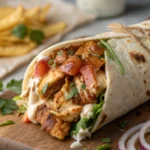

Okay, lean in — I’m about to spill a little kitchen secret I learned while staging at a busy bistro: a quick yogurt-lemon marinade makes chicken both ridiculously tender and packed with extra protein. Think bright lemon, tangy Greek yogurt, and garlic that wakes up your whole kitchen. I’ll show you how to get a gorgeous golden sear on the stove and finish in the oven for juicy, protein-forward bites that hold up on salads, in wraps, or right next to roasted veggies. This winning combo feels fancy but behaves like a weeknight hero — fast, forgiving, and impossible not to nibble while it rests.
Quick Facts
- Yield: Serves 4
- Prep Time: 15 minutes (plus 15–30 minutes marinating if you can)
- Cook Time: 25 minutes
- Total Time: 40–55 minutes (depends on marinating)
Why This Recipe is Awesome
This recipe packs protein with the help of chicken breasts and a punchy Greek yogurt marinade that also keeps the meat super tender. You get a sunny lemon tang, a toasty golden crust, and a silky pan sauce that elevates every bite. It’s fast, low-fuss, and flexible — it plays well with salads, rice, or mashed cauliflower. Plus? The kitchen smells like a citrus grove and garlic heaven while it cooks. Who doesn’t love crispy edges and a juicy center?
Ingredients
For the Main Dish:
- 1.5 pounds boneless, skinless chicken breasts (about 3–4 small to medium breasts)
- 1/2 cup plain Greek yogurt (full-fat for richness or 2% for lighter)
- 2 tablespoons fresh lemon juice (about 1 lemon)
- 1 teaspoon lemon zest
- 2 cloves garlic, minced
- 1 tablespoon Dijon mustard
- 1 tablespoon olive oil (plus 1–2 tbsp more for the pan)
- 1/2 teaspoon smoked paprika (or regular paprika)
- 1/2 teaspoon kosher salt and 1/4 teaspoon black pepper, plus more to finish
- Optional protein boost: 2 tablespoons grated Parmesan or 1/4 cup cottage cheese blended into the marinade
For the Sauce / Garnish (if applicable):
- 2 tablespoons butter (or 1 1/2 tbsp olive oil for dairy-free)
- 1/4 cup chicken broth or water
- 1 tablespoon lemon juice
- Chopped fresh parsley or chives for garnish
How I Make It
Step 1:
First, I butterfly the chicken breasts if they’re thick so they cook evenly — press a hand flat, run a sharp knife parallel to the cutting board, and slice almost through. Then I whisk Greek yogurt, lemon juice, lemon zest, minced garlic, Dijon, olive oil, paprika, salt, and pepper in a bowl. I toss the chicken in the marinade, coat well, and let it hang out for at least 15 minutes — or up to 2 hours in the fridge if I plan ahead. The yogurt tenderizes and builds protein without slacking on flavor.
Step 2:
I preheat the oven to 400°F and heat a large oven-safe skillet over medium-high heat with 1–2 tablespoons of olive oil. When the pan gets shimmering (it should almost sing), I shake off excess marinade and place each breast in the skillet — you should hear a confident sizzle. Sear without moving for about 2–3 minutes per side until the edges turn golden-brown. Tip: don’t overcrowd; work in batches if needed so each piece crisps.
Step 3:
Once both sides look beautifully browned, I add a splash of chicken broth to deglaze the pan, scraping up the fond with a wooden spoon. The smell of citrus and browned bits pops forward — that’s flavor money. If I want a little sauce, I stir in butter off heat, or olive oil for dairy-free. Then I slide the skillet into the 400°F oven for about 10–12 minutes, checking for doneness.
Step 4:
I use a meat thermometer and cook until the thickest part reaches 165°F. If you don’t have one, slice into the center: the juices should run clear and the meat should feel firm but still springy. Look for golden edges, an aromatic lemon-garlic smell, and a glossy pan sauce. Don’t overbake — chicken keeps cooking while it rests.
Step 5:
I rest the chicken for 5 minutes under foil to let the juices redistribute, then finish with a squeeze of fresh lemon and a sprinkle of chopped parsley or chives. Serve with a drizzle of the pan sauce. Want texture? Add toasted almonds or thinly sliced radishes for crunch.
Pro Tips
- Marinate at least 15 minutes. Even short marinating makes a noticeable difference in juiciness and flavor.
- Use a meat thermometer. I set mine to 165°F so I never overcook and dry out the chicken.
- If your skillet isn’t oven-safe, transfer seared chicken to a baking dish and add the deglazing liquid before roasting.
- For extra protein without changing texture, stir 2 tablespoons of grated Parmesan or 1/4 cup plain cottage cheese into the marinade.
Common Mistakes to Avoid
- Skipping preheating: Classic rookie move. It changes texture and bake time.
- Overmixing: Leads to dense or chewy results. Mix until just combined.
- Guessing cook time: Always use visual cues or a timer, not just vibes.
- Overcrowding pans: Give your food some breathing room to crisp properly.
Alternatives & Substitutions
- Chicken ↔ Tofu: Use extra-firm tofu pressed well and marinated longer; bake instead of searing for best texture.
- Greek yogurt ↔ Sour cream or cottage cheese: Sour cream gives similar tang; cottage cheese blends smooth and bumps protein slightly.
- Butter ↔ Olive oil: Swap to make the sauce dairy-free; oil won’t give that buttery magic, but it still tastes great.
- Gluten-free? This recipe already qualifies — just double-check your mustard and broth labels.
Variations & Tips
- Spicy: Add 1/2 teaspoon cayenne or a diced jalapeño to the marinade for heat.
- Herby: Stir chopped dill and mint into the yogurt for a Mediterranean vibe.
- Kid-friendly: Omit mustard and reduce garlic; add a touch of honey for a mild glaze.
- Sheet-pan meal: Roast chicken with broccoli and baby potatoes for a one-pan dinner.
- Creative twist: Top finished chicken with a spoonful of warmed chickpea salad tossed in lemon vinaigrette.
- Low-carb: Serve over cauliflower rice or a bed of sautéed greens.
FAQ (Frequently Asked Questions)
- Can I make this ahead of time?
- Yes! Marinate the chicken and store covered in the fridge for up to 24 hours. Cooked chicken keeps well for 3–4 days; reheat gently in a 325°F oven or sliced cold on salads.
- Can I double the recipe?
- Sure thing. Use two skillets or sear in batches before transferring to a larger baking dish so you don’t crowd the pan. You may need an extra 5–8 minutes in the oven if pieces sit closer together.
- Can I substitute butter with oil?
- Technically yes, but you’ll miss that buttery magic. Use ¾ the amount of oil (about 1 1/2 tablespoons) for a similar silkiness.
- How do I know it’s done?
- Look for a clean, white interior and juices that run clear, plus a thermometer reading of 165°F in the thickest part. The edges should show golden color and a slight crisp.
- What if I don’t have ingredient X?
- If you lack mustard, swap with a splash of vinegar and a pinch of sugar. No fresh lemon? Use 2 tablespoons bottled lemon juice and a little extra zest from a lemon concentrate or omit the zest.
How I Like to Serve It
I love serving this chicken atop peppery arugula with shaved Parmesan and lemony vinaigrette for a light dinner, or alongside garlic-roasted potatoes and green beans for a heartier meal. It also shines sliced in wraps with tzatziki or packed into meal-prep bowls with quinoa and roasted veggies. This dish fits sunny spring afternoons and cozy weeknights alike — bright, protein-rich, and reliably comforting.
Notes
- Store cooked chicken in an airtight container in the fridge for up to 4 days. Reheat in a 325°F oven with a splash of broth to prevent drying.
- Always cook chicken to a safe internal temperature of 165°F.
Final Thoughts
Closing: Now go impress someone — or just yourself — with your homemade High-Protein Lemon Chicken. You’ve got bright flavor, smart protein, and a dish that smells like a restaurant but feels like home.

Hi, I’m Lina, the creator of Lina Easy Recipes.Cooking has always been my passion, and I love sharing simple, homemade dishes that anyone can prepare.
Love What You See?
Join me on Pinterest and Facebook for daily cooking inspiration, new recipe ideas, and behind-the-scenes kitchen stories. Let’s cook something wonderful together!