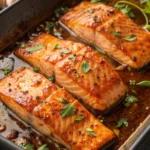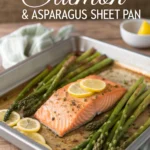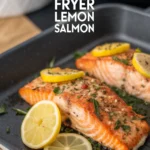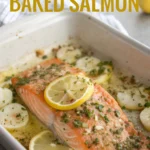
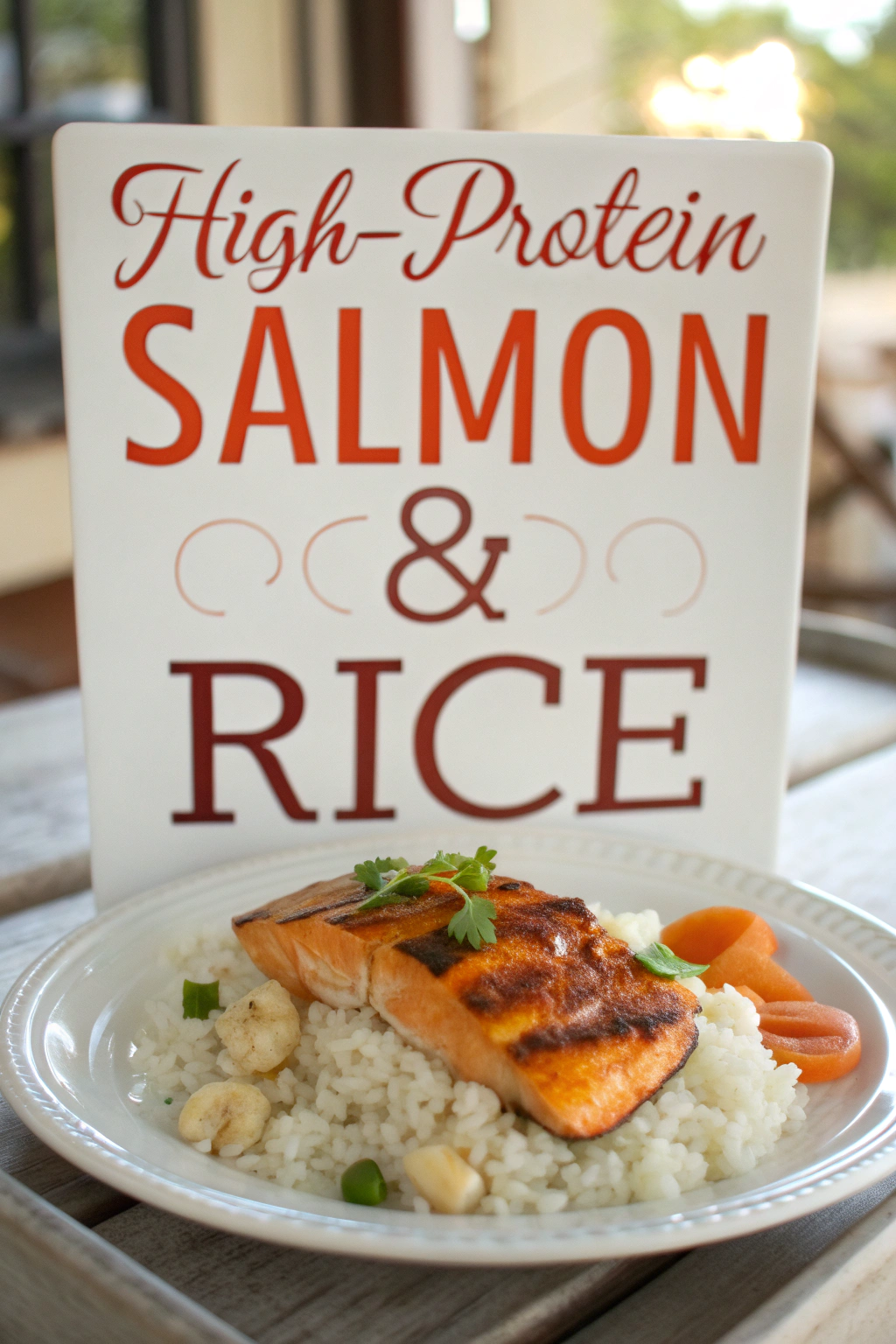
Chef’s secret time: I stumbled on this High-Protein Salmon & Rice Plate while trying to feed a houseful of hangry friends with minimal fuss and maximum flavor. I kept one foot in the pantry and the other in the skillet, and that pan sauce that started as an accident turned into my go-to trick. If you want a plate that smells like garlic and lemon, gives you flaky, buttery salmon with a glossy glaze, and loads of protein without a billion steps — this is it. I’ll share the shortcut that makes the rice fluffy and the fillets sear like a pro, plus the little fixes I use when the fish plays hard to cook.
Quick Facts
- Yield: Serves 4
- Prep Time: 10 minutes
- Cook Time: 20–25 minutes
- Total Time: 30–35 minutes
Why This Recipe is Awesome
This plate hits protein and comfort in one tidy bowl. The salmon gets a caramelized crust and stays juicy inside, the rice soaks up a bright, savory sauce, and the whole thing comes together faster than takeout. It tastes fresh but hearty: lemony brightness, savory umami from soy, and a buttery finish if you want it. It’s so foolproof even your busiest weeknight can handle it.
Ingredients
For the Main Dish:
- Salmon fillets: Four 6-oz fillets, skin on or off (about 24 oz total)
- Jasmine or long-grain rice: 1 1/2 cups
- Water or low-sodium chicken broth: 2 1/4 cups for the rice
- Olive oil: 2 tbsp
- Unsalted butter: 1 tbsp (optional)
- Garlic: 2 cloves, minced
- Lemon: 1, zested and juiced
- Soy sauce: 2 tbsp
- Honey or maple syrup: 1 tbsp
- Sesame oil: 1 tsp (optional, for aroma)
- Salt & pepper: to taste
- Green onions: 2, thinly sliced, for garnish
- Red pepper flakes: pinch (optional)
- Baby spinach or steamed broccoli: 2 cups (optional side, adds color and nutrients)
For the Sauce / Garnish (if applicable):
- Lemon-Greek yogurt sauce (optional): 1/2 cup Greek yogurt, 1 tbsp lemon juice, 1 tsp lemon zest, 1 tsp chopped dill or parsley, salt & pepper — whisk together for a cool, protein-rich drizzle.
- Soy-sesame glaze: Combine 2 tbsp soy sauce, 1 tbsp honey, 1 tsp sesame oil, and 1 clove minced garlic; simmer 1–2 minutes to thicken.
How I Make It
Step 1:
Start the rice first so it finishes while the salmon cooks. Rinse 1 1/2 cups rice until the water runs clear, then add to a saucepan with 2 1/4 cups water or broth. Bring to a boil, reduce to a simmer, cover, and cook for about 18 minutes. Turn off heat and let it rest, covered, for 5 minutes. That rest makes the rice fluffy instead of clumpy — trust me, it’s magic.
Step 2:
While the rice simmers, pat the salmon dry and season generously with salt and pepper. Heat a large ovenproof skillet over medium-high heat with 2 tbsp olive oil. I like the sizzle when the fillets hit the pan — that sound means flavor. If your fillets have skin, sear skin-side down first for 3–4 minutes until crisp.
Step 3:
Add 1 tbsp butter (if using) and 2 cloves minced garlic to the pan and spoon the foaming butter over the fish for a minute. Pour the soy-sesame glaze (2 tbsp soy + 1 tbsp honey + 1 tsp sesame oil) around the fillets. The kitchen will fill with a toasty, slightly sweet aroma — that’s the glaze doing its work.
Step 4:
Transfer the skillet to a 425°F oven and roast for 6–8 minutes depending on thickness. You want golden edges and a flaky center that gives when you press gently with a fork. If you prefer firm salmon, push toward the longer time. For food safety, aim for an internal temp of 145°F.
Step 5:
Let the fish rest for a couple minutes. Fluff the rice with a fork and fold in a squeeze of lemon juice and a little chopped green onion. Plate a bed of rice, top with a fillet, drizzle with the lemon-Greek yogurt or extra glaze, and scatter more onions and red pepper flakes. The contrast of hot fillet and cool yogurt feels lovely in your mouth.
Pro Tips
- Bring salmon to room temperature for 10–15 minutes before cooking so it cooks evenly.
- Use an instant-read thermometer to hit 145°F if you want a foolproof doneness cue.
- If the pan smoke gets angry, lower heat slightly and finish in the oven — better texture than overburned crust.
- Swap rice for quinoa for an extra protein boost; adjust liquid to 1 3/4 cups water for 1 cup quinoa.
Common Mistakes to Avoid
- Skipping preheating: Classic rookie move. It changes texture and bake time.
- Overmixing: Leads to dense or chewy results. Mix until just combined.
- Guessing cook time: Always use visual cues or a timer, not just vibes.
- Overcrowding pans: Give your food some breathing room to crisp properly.
Alternatives & Substitutions
- Salmon → Chicken or tofu: Use 4 boneless chicken thighs (sear then roast to 165°F) or 16 oz firm tofu (press, pan-fry until golden). Chicken ups the cooking time; tofu makes it vegetarian and soaks up the glaze.
- Greek yogurt → Sour cream or dairy-free yogurt: Sour cream gives similar tang; dairy-free yogurt keeps it dairy-free.
- Butter → Olive oil: For dairy-free, use olive oil but expect slightly less richness.
- Rice → Cauliflower rice: Make it low-carb and gluten-free; stir-fry cauliflower rice 5–7 minutes until tender.
Variations & Tips
- Spicy: Add 1 tsp sriracha to the glaze or sprinkle with chili crisp.
- Kid-friendly: Skip the red pepper flakes, reduce soy to 1 tbsp, and add steamed peas for color.
- Vegetarian: Replace salmon with thick marinated tofu steaks and follow the same sear-and-roast method.
- Sheet-pan version: Roast salmon and vegetables together at 425°F for 12–15 minutes to feed a crowd.
- Citrus-herb twist: Add orange zest and chopped basil to the yogurt sauce for summer brightness.
- One-pan rice: Use a wide skillet and cook rice in broth with aromatics for fewer dishes.
FAQ (Frequently Asked Questions)
- Can I make this ahead of time?
- Yes! Cook the rice and salmon separately, store in airtight containers for up to 2 days. Reheat rice gently with a splash of water in the microwave and warm the salmon in a 350°F oven for 6–8 minutes so it warms without drying out.
- Can I double the recipe?
- Sure thing. Use two pans or a larger skillet to avoid overcrowding. If you roast multiple fillets, rotate pans halfway through so everything browns evenly.
- Can I substitute butter with oil?
- Technically yes, but you’ll miss that buttery magic. Use ¾ the amount of oil.
- How do I know it’s done?
- Look for golden edges and a flaky center that yields to a fork. An instant-read thermometer should read 145°F for fully cooked salmon.
- What if I don’t have ingredient X?
- No drama — swap maple for honey, lemon for lime, or use dried herbs in a pinch. Soy sauce can go low-sodium or be replaced with tamari for gluten-free cooking.
How I Like to Serve It
I serve this on a simple white plate so the salmon’s color pops, with steamed broccoli or a spinach salad on the side. Add a crisp white wine or an iced tea for a weeknight dinner, or bring it to a potluck if you want to look like you tried harder than you actually did. In summer, the lemon-Greek yogurt shines; in winter, the warm soy glaze feels cozy and satisfying.
Notes
- Store leftovers in the fridge up to 2 days. Reheat gently to avoid drying the salmon.
- Cook salmon to an internal temp of 145°F for safety; many prefer slightly lower for texture, but follow food-safety guidelines if serving others.
Final Thoughts
Closing: Now go impress someone — or just yourself — with your homemade masterpiece!

Hi, I’m Lina, the creator of Lina Easy Recipes.Cooking has always been my passion, and I love sharing simple, homemade dishes that anyone can prepare.
Love What You See?
Join me on Pinterest and Facebook for daily cooking inspiration, new recipe ideas, and behind-the-scenes kitchen stories. Let’s cook something wonderful together!