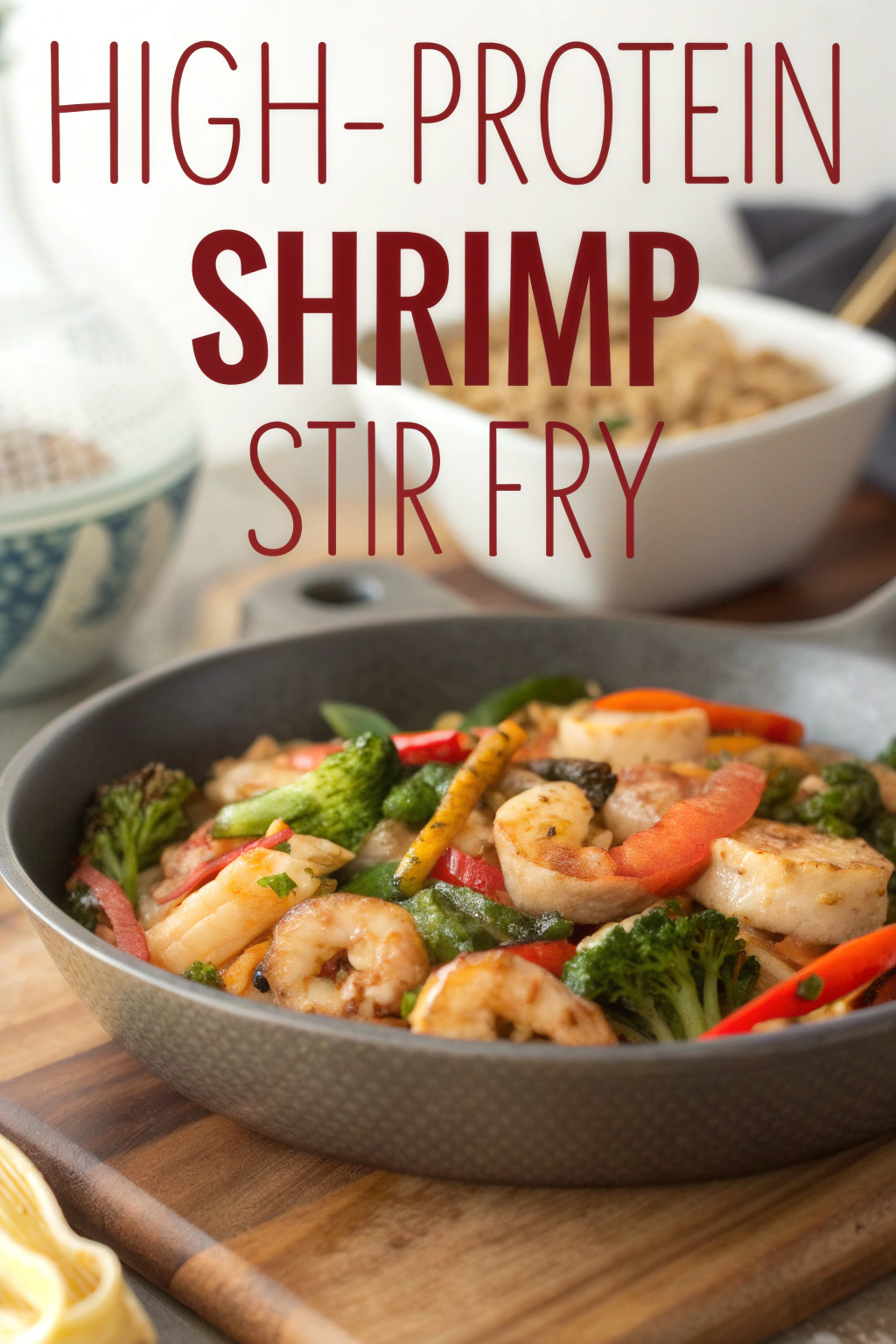
Chef’s secret time: I’ll let you in on a trick that turns plain shrimp into restaurant-level stir fry—no fancy equipment required. When I discovered that tossing shrimp in a quick cornstarch slurry and blasting them over high heat gave me that snappy bite and glossy sauce, I stopped ordering takeout. This recipe moves fast, smells like a ginger-garlic dream, and gives you a protein-packed weeknight win in under 30 minutes. Follow the little pro tweaks I share and you’ll get perfectly seared, juicy shrimp with bright, crunchy veggies every single time.
Quick Facts
- Yield: Serves 4
- Prep Time: 15 minutes
- Cook Time: 10 minutes
- Total Time: 25 minutes
Why This Recipe is Awesome
This stir fry cooks up in a flash, so you get sizzling texture and bright flavors without spending all evening in the kitchen. The shrimp stay snappy and juicy, the veggies keep a satisfying crunch, and the sauce clings to everything in a glossy, savory finish. It’s high-protein, colorful, and flexible—perfect for nights when you want healthy, fast, and delicious. Plus, it’s so forgiving even your wok will forgive you if you start talking mid-sizzle.
Ingredients
For the Main Dish:
- 1.5 pounds peeled and deveined shrimp (large, 16–20 count)
- 2 tablespoons cornstarch
- 1/2 teaspoon kosher salt
- 1/4 teaspoon black pepper
- 2 tablespoons neutral oil (canola or vegetable)
- 1 small head broccoli, cut into small florets (about 2 cups)
- 1 red bell pepper, thinly sliced
- 1 cup snap peas or snow peas
- 1 small yellow onion, thinly sliced
- 3 cloves garlic, minced
- 1 tablespoon fresh ginger, finely grated
- 2 scallions, sliced on the diagonal
- Cooked brown rice or quinoa, for serving (about 4 cups cooked)
For the Sauce / Garnish (if applicable):
- 1/4 cup low-sodium soy sauce (or tamari for gluten-free)
- 2 tablespoons rice vinegar
- 1 tablespoon honey or maple syrup
- 1 teaspoon sesame oil
- 1/3 cup low-sodium chicken broth or water
- 1 teaspoon cornstarch (mixed into the broth)
- Optional: 1/4 teaspoon red pepper flakes for heat
- Sesame seeds and extra scallions for garnish
- Wedge of lime for serving
How I Make It
Step 1:
Pat the shrimp dry with paper towels—this matters. Toss them in a bowl with 2 tablespoons cornstarch, 1/2 teaspoon kosher salt, and 1/4 teaspoon black pepper. I do this right before heating the pan so the cornstarch doesn’t clump. Heat a large skillet or wok over high heat until it sings when you flick water on it (yes, there’s a small sizzle test). Add 2 tablespoons neutral oil and swirl.
Step 2:
Slide the shrimp into the hot pan in a single layer. You want that immediate sizzle. Let them sear undisturbed about 1 to 1½ minutes per side until the edges turn opaque and begin to curl. I get that lovely sound—sharp little pops as the shrimp meet the hot metal. Transfer shrimp to a plate; don’t crowd the pan or they steam instead of sear.
Step 3:
Lower heat to medium-high. Add a touch more oil if the pan looks dry and toss in the onion, broccoli, and red bell pepper. Stir-fry for about 3 minutes until the veggies brighten and develop a few charred spots. Add the snap peas, garlic, and ginger, and stir for another 30–45 seconds. That fragrant ginger-garlic aroma? That’s the kitchen cheering you on.
Step 4:
Pour in the sauce (soy sauce, rice vinegar, honey, sesame oil, and the cornstarch-thickened broth). Stir quickly; the sauce will start to thicken and cling to the veggies within 1 minute. Return the shrimp to the pan and toss gently to coat. Cook everything together just until the shrimp feel firm and opaque—usually another 30–60 seconds. Watch color and texture: opaque with a slight spring equals done. If you like a glossy finish, stir while the sauce cooks to coat every surface.
Step 5:
Turn off the heat and sprinkle on sliced scallions and sesame seeds. Squeeze a little lime over top to brighten the whole dish. Serve the stir fry over warm brown rice or quinoa and listen for the satisfied “mmm” around your table. If you like crunch, add chopped roasted peanuts or cashews at the end.
Pro Tips
- Dry shrimp = better sear. Pat them completely dry so the cornstarch crisps instead of turning gummy.
- Use a very hot pan and don’t overcrowd it. If the pan looks crowded, cook the shrimp in two batches.
- Mix the sauce first and add the cornstarch to the liquid (broth or water) to avoid lumps.
- For extra protein and bite, toss in edamame or bite-sized tofu cubes—press tofu first if you add it.
Common Mistakes to Avoid
- Skipping preheating: Classic rookie move. It changes texture and bake time.
- Overmixing: Leads to dense or chewy results. Mix until just combined.
- Guessing cook time: Always use visual cues or a timer, not just vibes.
- Overcrowding pans: Give your food some breathing room to crisp properly.
Alternatives & Substitutions
- Swap shrimp for chicken breast (cut into 1″ pieces) — cook slightly longer until it reaches 165°F. Texture becomes heartier.
- Use firm tofu for vegetarian option; press and pan-fry until golden for best texture.
- Replace soy sauce with tamari for gluten-free; flavor stays similarly savory.
- Use coconut aminos for a lower-sodium, slightly sweeter profile (dairy-free is already covered).
Variations & Tips
- Make it spicy: Add chopped fresh chiles or more red pepper flakes to the sauce.
- Kid-friendly: Leave out the red pepper flakes and swap snap peas for carrots for sweeter crunch.
- Low-carb: Serve over cauliflower rice instead of brown rice.
- Crunchy twist: Finish with crushed peanuts or toasted sesame and a drizzle of chili oil.
- Herby twist: Stir in chopped cilantro and basil for a fresh, Southeast-Asian vibe.
- Sheet-pan variation: Roast the veggies at 425°F for 12–15 minutes while you sear shrimp separately for a hands-off option.
FAQ (Frequently Asked Questions)
- Can I make this ahead of time?
- Yes! Prep the chopped veggies and sauce up to 24 hours ahead. Store shrimp uncooked in the fridge and cook at serving time for best texture. Leftovers keep well for 2 days; reheat gently in a skillet over medium heat to avoid rubbery shrimp.
- Can I double the recipe?
- Sure thing. Use a very large wok or cook in batches to avoid overcrowding. Doubling the sauce works fine; taste and adjust seasoning at the end.
- Can I substitute butter with oil?
- Technically yes, but you’ll miss that buttery magic. Use ¾ the amount of oil if you swap in oil for butter in any adapted sauces or finishing touches.
- How do I know it’s done?
- Look for opaque, pink shrimp with a slight firm spring. Avoid long curling into a tight “O”—that often means overcooked. For safety, fish and seafood reach 145°F when fully cooked, but visual cues work well here.
- What if I don’t have ingredient X?
- No soy sauce? Use tamari or coconut aminos. No rice vinegar? Use apple cider vinegar with a touch of honey. No fresh ginger? 1/4 teaspoon ground ginger works in a pinch.
How I Like to Serve It
I pile this stir fry over steaming brown rice on weeknights, drizzle a little extra sesame oil, and open a crisp white wine if I’m feeling fancy. It also shines at potlucks—make the sauce and chop the veggies ahead, then finish quickly in the pan. In summer, I swap in grilled shrimp and serve chilled over quinoa salad for a bright, light meal. It fits busy evenings, date nights, and everything in between.
Notes
- Store leftovers in an airtight container in the fridge for up to 2 days. Reheat briefly in a skillet over medium heat to preserve texture.
- Safe cooking temp for seafood: 145°F. For chicken substitutions, target 165°F.
Final Thoughts
Closing: You just unlocked a fast, high-protein dinner that smells incredible and looks gorgeous—now go impress someone, or just yourself, with your homemade masterpiece!

Hi, I’m Lina, the creator of Lina Easy Recipes.Cooking has always been my passion, and I love sharing simple, homemade dishes that anyone can prepare.
Love What You See?
Join me on Pinterest and Facebook for daily cooking inspiration, new recipe ideas, and behind-the-scenes kitchen stories. Let’s cook something wonderful together!