I’m going to let you in on a little kitchen secret: the shortcut to a restaurant-feel steak plate doesn’t require fancy gear or an hour of babysitting. I learned this trick scrunching my chef’s coat in the back of a tiny bistro kitchen — quick sear, a bright pan sauce, and perfectly steamed rice make a humble cut of beef sing. Follow my lead and you’ll get a crisp, caramelized crust, juicy interior, and a bright, tangy sauce that pulls everything together. It feels fancy, and yet you’ll have this on the table in under an hour — trust me, your future weeknight self will thank you.
Quick Facts
- Yield: Serves 3–4
- Prep Time: 10 minutes
- Cook Time: 25 minutes
- Total Time: 35 minutes
Why This Recipe is Awesome
This Lean Steak & Rice Plate gives you the satisfying chew of a well-seared steak with rice that soaks up every savory drop of sauce. It’s fast, weeknight-friendly, and forgiving — even if you’re juggling a phone call, you’ll still end up with a glossy pan sauce, a crackly sear, and tender slices. It’s so easy even your oven can’t mess it up. Who doesn’t love crispy edges, a caramel smell, and a bright squeeze of lime to finish?
Ingredients
For the Main Dish:
- 1 lb flank steak (or top sirloin for an even leaner option)
- 1 cup long-grain white rice (or 1 cup brown rice; see notes)
- 2 cups water (for white rice)
- 2 tbsp olive oil, divided
- 1 tsp kosher salt, plus more to finish
- 1/2 tsp freshly ground black pepper
- 1 tsp smoked paprika (optional, for warmth)
- 2 cloves garlic, minced
- 1 small yellow onion, thinly sliced
- 1 red bell pepper, thinly sliced
- 2 tbsp low-sodium soy sauce
- 1 tbsp honey or maple syrup
- 1 lime, juiced
- 2 green onions, sliced for garnish
- 1 tbsp butter (optional but recommended)
For the Sauce / Garnish (if applicable):
- 2 tbsp soy sauce
- 1 tbsp rice vinegar or apple cider vinegar
- 1 tsp sesame oil (optional)
- Red pepper flakes, pinch — optional for heat
How I Make It
Step 1:
Start the rice first so it finishes while you rest the steak. Rinse 1 cup long-grain white rice under cold water until it runs clear. Bring 2 cups water to a boil, stir in rice and a pinch of salt, then reduce to a simmer, cover, and cook for 18 minutes. You’ll smell a warm, toasty rice scent as it cooks — that’s your cue it’s almost ready. Keep the lid on and let it rest for 5 minutes before fluffing with a fork.
Step 2:
Pat the steak dry with paper towels — moisture is the enemy of a good crust. Season both sides with 1 tsp kosher salt, 1/2 tsp black pepper, and a sprinkle of smoked paprika if you like. Heat a large cast-iron or heavy skillet over medium-high heat until it’s smoking faintly. Add 1 tbsp olive oil and listen for that satisfying sizzle when the steak hits the pan. Sear for 2–3 minutes per side for medium-rare, longer if you like it more done.
Step 3:
After searing both sides, reduce heat to medium. Add the sliced onion and bell pepper around the steak with another 1 tbsp olive oil. Toss the veggies for a minute to char the edges and pick up fond (that brown goodness). Add minced garlic and sauté until fragrant — you’ll smell that garlicky warmth fill the pan. If you want, spoon 2 tbsp soy sauce and 1 tbsp honey into the pan to deglaze, scraping up browned bits with a wooden spoon.
Step 4:
Check doneness with a quick press: a soft center means rarer, firm means more well-done. For safety guidance, the USDA recommends cooking whole cuts of beef to an internal temp of 145°F with a 3-minute rest, but I often pull flank at 130–135°F for medium-rare. Remove the steak to a cutting board and let it rest for 5–10 minutes. Resting keeps juices inside — slice against the grain thinly for the most tender bite.
Step 5:
Finish the pan with a knob of 1 tbsp butter (or a splash more soy + lime if avoiding dairy), a squeeze of lime, and a splash of rice vinegar or the remaining soy. Toss the veggies in that sauce and spoon them over the rice. Layer the thinly sliced steak over rice and veggies, sprinkle with sliced green onions and red pepper flakes if you like a kick. Hear that juicy, slightly crunchy bite? That’s dinner done right.
Pro Tips
- Let the steak come to room temperature for 20 minutes before cooking. It sears more evenly and gets a better crust.
- If you don’t have a cast-iron, use the heaviest skillet you own — it holds heat and builds a nicer sear.
- Use a meat thermometer to dial in doneness: 130–135°F for medium-rare, 145°F for medium (USDA).
- Want extra flavor? Marinate the steak 30 minutes in a mix of soy, lime, and a little olive oil — but don’t marinate too long with citrus or the meat will toughen.
Common Mistakes to Avoid
- Skipping preheating: Classic rookie move. It changes texture and bake time.
- Overmixing: Leads to dense or chewy results. Mix until just combined.
- Guessing cook time: Always use visual cues or a timer, not just vibes.
- Overcrowding pans: Give your food some breathing room to crisp properly.
Alternatives & Substitutions
- Swap flank steak with top sirloin or skirt steak — similar flavor, slightly different texture.
- Use 1 cup brown rice instead of white; it adds nuttiness but needs about 40–45 minutes cooking time and slightly more water.
- For a dairy-free option, skip the butter and finish with a drizzle of extra-virgin olive oil and a splash of soy-lime sauce.
- Replace soy sauce with tamari for gluten-free; the flavor stays rich and savory.
Variations & Tips
- Spicy: Add a tablespoon of gochujang or sriracha to the pan sauce for a Korean-inspired kick.
- Kid-friendly: Leave out red pepper flakes and swap lime for a touch of honey in the sauce.
- Vegetarian twist: Swap steak for marinated, pan-seared tofu or a thick portobello cap; cook the same way for char and texture.
- Herb-forward: Stir in chopped cilantro or parsley just before serving for a fresh finish.
- Meal-prep twist: Slice the steak and store separately from rice; reheat gently in a skillet to preserve texture.
FAQ (Frequently Asked Questions)
- Can I make this ahead of time?
- Yes! Cook rice and steak separately, cool, and store in airtight containers for up to 3 days. Reheat rice in a microwave with a damp paper towel and reheat steak briefly in a hot skillet with a splash of water or sauce to keep it juicy.
- Can I double the recipe?
- Sure thing. Use a larger skillet or sear in batches to avoid overcrowding, which prevents a proper crust.
- Can I substitute butter with oil?
- Technically yes, but you’ll miss that buttery magic. Use ¾ the amount of oil and finish with a splash of acid (lime) to brighten the flavor.
- How do I know it’s done?
- Look for a deep brown crust, firm sides, and juices that run clear. Use a thermometer: 130–135°F for medium-rare, 145°F for medium (with a 3-minute rest).
- What if I don’t have ingredient X?
- Swap soy for tamari or Worcestershire, lime for lemon, and bell pepper for zucchini. Simple pantry swaps keep the dish balanced.
How I Like to Serve It
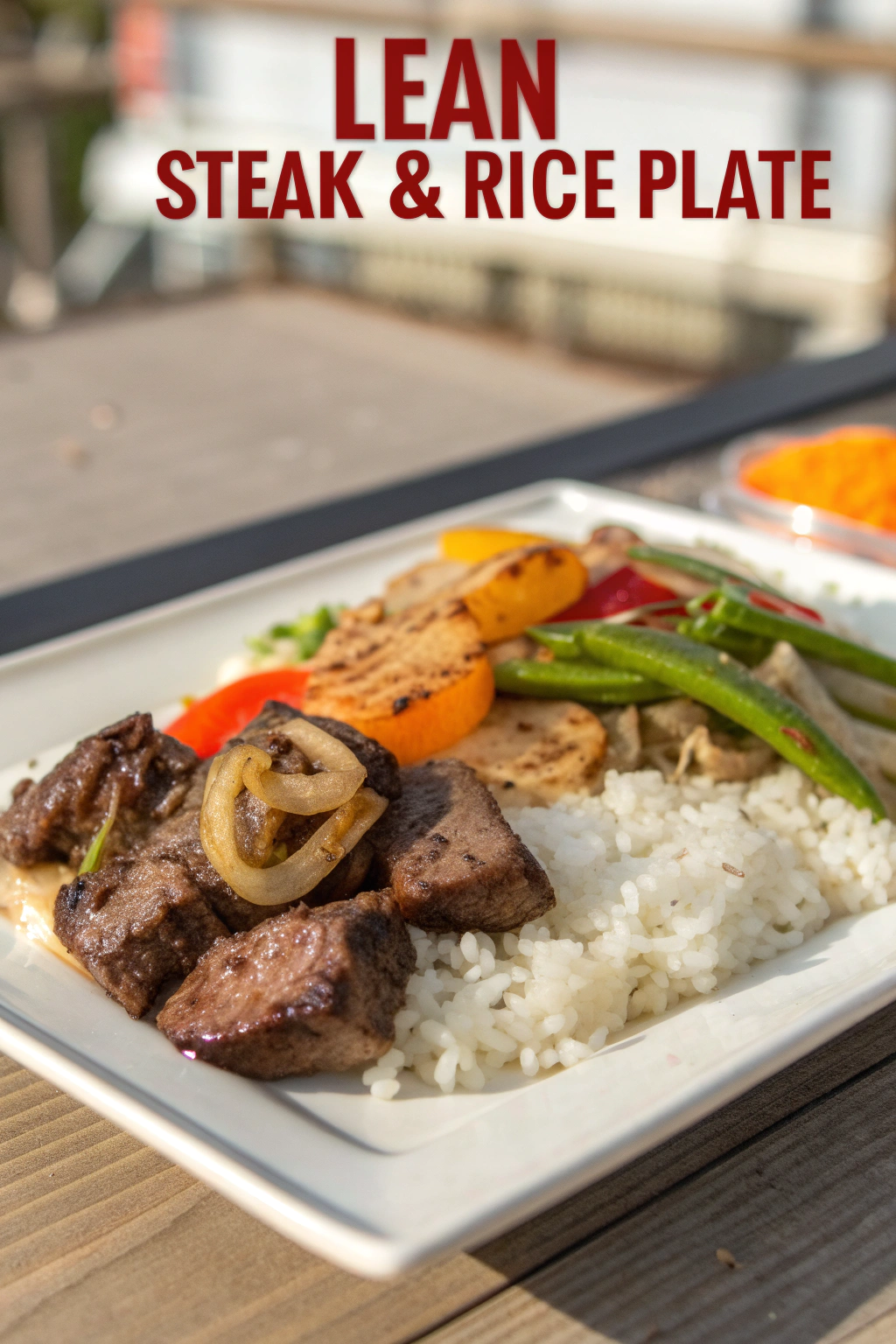
I plate this with a generous scoop of fluffy rice, a nest of caramelized peppers and onions, and sliced steak drizzled with the pan sauce — it looks like Sunday dinner even on a Tuesday. Pair with a crisp green salad and a cold beer or a citrusy white wine. This dish works great for cozy fall nights but shines bright in summer when limes and peppers are in season.
Notes
- Store leftovers in an airtight container for up to 3 days. Reheat gently to avoid overcooking the steak.
- Safe cooking temp for beef steaks: USDA recommends 145°F with a 3-minute rest; many prefer 130–135°F for medium-rare.
Final Thoughts
Closing: Go make this — it’s quick, comforting, and legit tasty; you’ll feel fancy without the fuss.

Hi, I’m Lina, the creator of Lina Easy Recipes.Cooking has always been my passion, and I love sharing simple, homemade dishes that anyone can prepare.
Love What You See?
Join me on Pinterest and Facebook for daily cooking inspiration, new recipe ideas, and behind-the-scenes kitchen stories. Let’s cook something wonderful together!