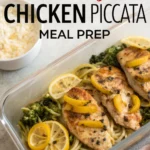

Okay, lean in — I’m about to give you a ridiculous little kitchen secret. One-pan chicken piccata is the shortcut the pros won’t always tell you, and once you try it, you’ll wonder why anyone ever made this complicated. I discovered this method the day I decided I wanted dinner on the table before my patience ran out; one skillet, a few bright lemons, a handful of capers, and dinner smelled like a trattoria in ten minutes. The sauce comes together while the chicken crisps, the kitchen fills with zesty lemon steam, and you get a glossy, tangy sauce that clings to every bite. Keep your apron handy — this one looks fancy but behaves like a weeknight hero.
Quick Facts
- Yield: Serves 4
- Prep Time: 15 minutes
- Cook Time: 15 minutes
- Total Time: 30 minutes
Why This Recipe is Awesome
This recipe delivers bright, lemony sauce, crisp golden edges, and a velvety, buttery finish — all from one pan. It tastes like a restaurant plate but practically cleans itself. The texture plays between crunchy seared chicken and a silky sauce studded with briny capers; the flavor sings — tart lemon, nutty browned butter, and savory chicken. It’s so easy even your oven can’t mess it up, and it behaves like a weeknight superstar that doubles as a company-worthy meal.
Ingredients
For the Main Dish:
- 1 1/2 pounds boneless, skinless chicken breasts (about 3 medium)
- 1/2 cup all-purpose flour (or 1/2 cup gluten-free flour blend)
- 1 tsp kosher salt
- 1/2 tsp black pepper
- 2 tbsp olive oil
- 2 tbsp unsalted butter
- 2 cloves garlic, minced
- 1/2 cup dry white wine (optional — use extra chicken broth if skipping)
- 3/4 cup low-sodium chicken broth
- 3 tbsp capers, drained
- 1/4 cup fresh lemon juice (about 1–2 lemons)
- 2 tbsp chopped fresh parsley for garnish
For the Sauce / Garnish (if applicable):
- Extra lemon slices for garnish (optional)
- Grated Parmesan for sprinkling (optional)
How I Make It
Step 1:
I start by slicing the chicken breasts horizontally to make 6 thin cutlets, or I pound them to about 1/2-inch thickness between plastic wrap. Then I season both sides with 1 tsp kosher salt and 1/2 tsp black pepper. I dredge each piece in 1/2 cup flour, shaking off excess — the thin flour coating gives the chicken that golden, crispy crust. Tip: don’t over-flour; you want a light dusting, not a batter.
Step 2:
I heat a large skillet over medium-high heat and add 2 tbsp olive oil and 1 tbsp butter. When the fat shimmers and smells nutty, I add the cutlets in a single layer, giving them room to breathe. You should hear a sharp sizzle — that sound means the crust will form. I sear for 3–4 minutes per side until the edges turn deep golden, then transfer chicken to a plate. Don’t crowd the pan; if necessary, work in batches.
Step 3:
Lower the heat to medium and add the remaining 1 tbsp butter. Toss in 2 minced garlic cloves and cook for about 30 seconds until fragrant — your kitchen will smell like warm garlic and butter. Pour in 1/2 cup dry white wine to deglaze the pan (or 3/4 cup chicken broth if you skip wine). Scrape the browned bits with a wooden spoon; those bits carry deep, savory flavor into the sauce.
Step 4:
Add 3/4 cup chicken broth, 3 tbsp capers, and 1/4 cup fresh lemon juice. Bring the sauce to a simmer and let it reduce for about 2–3 minutes until slightly thickened and glossy. Return the chicken to the pan and spoon the sauce over each piece. Cook for another 2–3 minutes until the chicken registers 165°F on an instant-read thermometer and the sauce clings to the meat. Look for golden edges and a juicy center — not dry, not rubbery.
Step 5:
Finish with a generous sprinkle of 2 tbsp chopped parsley and a couple of lemon slices for color. I spoon the buttery, lemony sauce over the chicken and let it rest for a minute — that pause keeps the juices where they belong. Taste and adjust with a pinch of salt or an extra squeeze of lemon if you want more zip.
Pro Tips
- Pat chicken dry with paper towels before flouring; dry meat sears better and crisps up wonderfully.
- Use an instant-read thermometer to hit 165°F precisely — no guessing, no dry chicken.
- If you don’t have wine, swap in extra chicken broth plus 1 tsp Dijon mustard for depth.
- Make the sauce a little glossy by whisking in a cold tablespoon of butter at the end — I call that my cheat for sheen and richness.
Common Mistakes to Avoid
- Skipping preheating: Classic rookie move. It changes texture and bake time.
- Overmixing: Leads to dense or chewy results. Mix until just combined.
- Guessing cook time: Always use visual cues or a timer, not just vibes.
- Overcrowding pans: Give your food some breathing room to crisp properly.
Alternatives & Substitutions
- Chicken ↔ firm tofu: Press tofu, slice, dust with flour, and pan-sear for a vegetarian piccata. Expect a firmer texture and lighter flavor.
- Butter ↔ oil: Use ¾ the amount of oil for the fat, but you’ll miss that buttery magic. Try ghee for a nutty compromise.
- Flour ↔ cornstarch or gluten-free blend: Cornstarch gives a lighter crust; use 3 tbsp cornstarch per cup of flour.
- Wine ↔ extra broth: Skip wine and add extra chicken broth plus a splash of vinegar for acidity if needed (apple cider or white wine vinegar).
Variations & Tips
- Spicy Piccata: Add a pinch of red pepper flakes when you sauté the garlic.
- Creamy Piccata: Stir in 1/4 cup heavy cream at the end for a lush, silky sauce.
- Kid-Friendly: Omit capers and reduce lemon slightly for a milder, buttery sauce kids will like.
- Mushroom Piccata (vegetarian): Sear sliced cremini mushrooms the same way you would chicken for an earthy twist.
- Herb Boost: Swap parsley for fresh basil or dill to change the aroma profile.
- One-Skillet Pasta: Toss cooked spaghetti into the pan with the sauce for a full meal in one vessel.
FAQ (Frequently Asked Questions)
- Can I make this ahead of time?
- Yes! Cook chicken and sauce, cool completely, and store in an airtight container in the fridge for up to 3 days. Reheat gently in a skillet over medium-low, adding a splash of broth to revive the sauce.
- Can I double the recipe?
- Sure thing. Use two skillets or work in batches so you don’t overcrowd the pan; doubling in one skillet will steam instead of sear.
- Can I substitute butter with oil?
- Technically yes, but you’ll miss that buttery magic. Use ¾ the amount of oil and finish with a teaspoon of butter for flavor if you can.
- How do I know it’s done?
- Look for golden-brown edges and a firm, springy center. Use an instant-read thermometer to confirm 165°F in the thickest part for perfect doneness.
- What if I don’t have ingredient X?
- Out of capers? Try green olives chopped finely for briny bite. No lemons? Use 2 tbsp white wine vinegar plus a little extra sugar to balance acidity.
How I Like to Serve It
I love serving this over a bed of buttered egg noodles, mashed potatoes, or simple spaghetti so the sauce soaks in. Add a crisp green salad or roasted asparagus for color and crunch, and open a crisp white wine if you feel fancy. This dish fits weeknight dinners, casual date nights, and when friends drop by unexpectedly — it always makes the table look thoughtful and delicious.
Notes
- Store leftovers in an airtight container for up to 3 days. Reheat gently with a splash of broth so the sauce revives.
- Safe internal temp for chicken: 165°F. I always check with an instant-read thermometer.
Final Thoughts
Closing: Now go impress someone — or just yourself — with your homemade masterpiece!

Hi, I’m Lina, the creator of Lina Easy Recipes.Cooking has always been my passion, and I love sharing simple, homemade dishes that anyone can prepare.
Love What You See?
Join me on Pinterest and Facebook for daily cooking inspiration, new recipe ideas, and behind-the-scenes kitchen stories. Let’s cook something wonderful together!