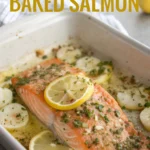
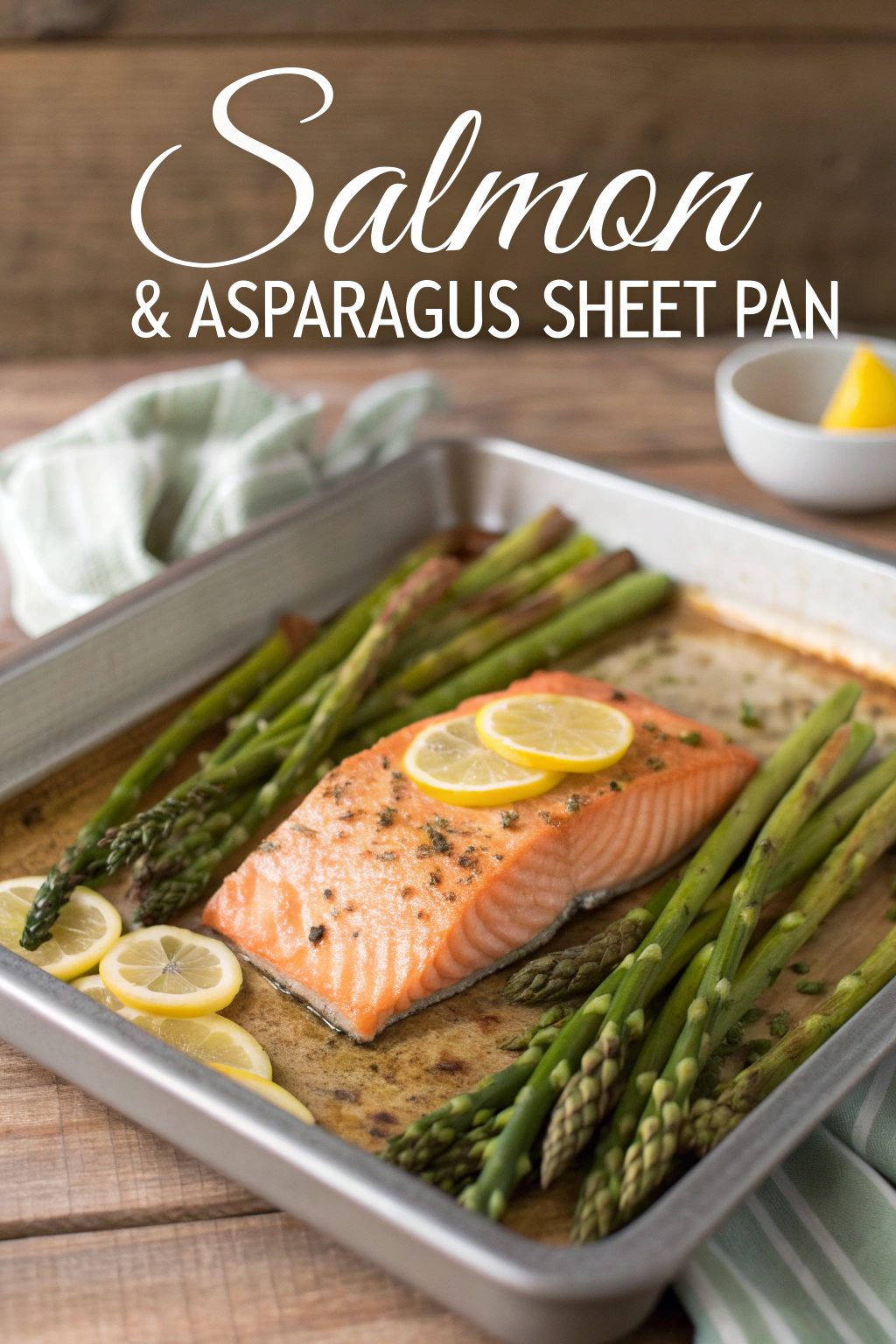
Chef’s Secret: Okay, lean in — I’m about to hand over a tiny kitchen hack that makes weeknight dinner feel like a restaurant order. I learned this trick watching a sous-chef at a tiny seaside bistro who always roasted the asparagus first, then squeezed lemon over the salmon halfway through so the fish finished in that citrus steam. The result? Bright, flaky salmon with blistered asparagus that sings. I use a single sheet pan, a quick mustard-honey glaze, and a hot oven to get those edges slightly caramelized. It looks fancy, smells amazing (hello, garlicky citrus), and takes less time than arguing over takeout. This is my go-to when I want something fast, impressive, and reliably delicious.
Quick Facts
- Yield: Serves 4
- Prep Time: 10 minutes
- Cook Time: 12–15 minutes
- Total Time: 25 minutes
Why This Recipe is Awesome
It’s sheet-pan simplicity with a pro-level finish — flaky **salmon** and crisp-tender **asparagus** all roasted together so the flavors mingle. You get caramelized edges, a glossy mustard-honey glaze, and that bright lemon zing. It smells like a seaside café in your kitchen, and it’s so simple even your oven can’t mess it up. Who doesn’t love minimal cleanup and maximum flavor?
Ingredients
For the Main Dish:
- 1.5 lb salmon fillets (skin on, trimmed into 4 portions)
- 1 lb asparagus, woody ends trimmed
- 2 tbsp olive oil, divided
- 2 tbsp Dijon mustard
- 1 tbsp honey (or maple syrup)
- 2 cloves garlic, minced
- 1 lemon, zested and juiced (about 2 tbsp juice)
- 1 tsp smoked paprika (or regular paprika)
- Salt and freshly ground black pepper, to taste
- 1 tbsp butter (optional, for finishing)
For the Sauce / Garnish (optional):
- 1/4 cup plain Greek yogurt, mixed with 1 tsp lemon zest, 1 tbsp chopped fresh dill, and a pinch of salt — or use chopped parsley for a different flavor.
How I Make It
Step 1:
Preheat the oven to 425°F. Line a rimmed sheet pan with foil or parchment for easy cleanup. Pat the salmon dry and give the asparagus a quick toss with 1 tablespoon of **olive oil**, a pinch of salt, and a grind of pepper. I like to lay the asparagus in a single layer on one side of the pan — the exposed tips get those little charred freckles that smell like summer.
Step 2:
Whisk together the glaze: 2 tbsp Dijon mustard, 1 tbsp honey, minced garlic, lemon zest, lemon juice, smoked paprika, remaining 1 tablespoon of olive oil, and a good pinch of salt and pepper. Spoon about half the glaze over the salmon (skin side down) and let it sit while the oven finishes warming. The glaze is bright, tangy, and slightly sticky — that gloss is pure comfort.
Step 3:
Roast the asparagus for 6–7 minutes before adding the salmon. This gives the thicker stalks a head start so everything finishes together. When the asparagus looks bright green with slightly wrinkled tips and the pan smells garlicky and toasty, pull the pan from the oven and gently nestle the salmon next to the asparagus, glaze-side up. Spoon the remaining glaze over the fillets.
Step 4:
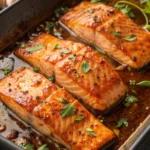
Return the pan to the oven and roast for another 6–8 minutes for medium-rare to medium, or up to 10–12 minutes for well-done, depending on thickness. Look for **flaky edges** and a slightly firm top; the salmon continues to cook a bit while resting. If you like a golden top, broil for 1 minute at the end — watch it closely so it doesn’t burn.
Step 5:
Finish with a small pat of butter on each fillet for richness, or drizzle the yogurt-dill sauce over the salmon and asparagus. Squeeze extra lemon over everything, scatter chopped fresh herbs, and serve immediately. The contrast between the buttery fish, tangy glaze, and bright lemon makes each bite sing.
Pro Tips
- Use a thermometer for perfect doneness: pull salmon at 125–130°F for medium-rare or 145°F if you prefer fully cooked (carryover heat raises the temp a few degrees).
- Trim asparagus bottoms by bending until they snap — it naturally finds the woody spot to discard.
- If your fillets vary in thickness, cook thicker pieces near the center of the pan where heat is most even.
- Want extra crisp? Give the asparagus a quick blast under the broiler for 1–2 minutes after the salmon finishes.
Common Mistakes to Avoid
- Skipping preheating: Classic rookie move. It changes texture and bake time.
- Overmixing: Leads to dense or chewy results. Mix until just combined.
- Guessing cook time: Always use visual cues or a timer, not just vibes.
- Overcrowding pans: Give your food some breathing room to crisp properly.
Alternatives & Substitutions
- Swap **salmon** for trout or cod; trout gives a similar richness, cod gives a flakier, milder bite (cook slightly less for cod).
- Replace **asparagus** with broccolini, green beans, or thinly sliced Brussels sprouts — adjust roast time based on vegetable thickness.
- For dairy-free: skip the butter and yogurt sauce; finish with extra lemon and a drizzle of olive oil.
- Want vegetarian? Use thick slices of roasted cauliflower steaks or extra-firm tofu marinated in the same glaze — bake until golden.
Variations & Tips
- Spicy: add 1/4 tsp red pepper flakes or a drizzle of sriracha to the glaze.
- Kid-friendly: swap Dijon for a mild honey-mustard and skip the smoked paprika.
- Mediterranean twist: use za’atar spice and finish with chopped olives and feta.
- Low-carb: serve over cauliflower rice or a bed of mixed greens.
- Make it citrus-forward: use orange juice instead of lemon for a sweeter glaze and garnish with orange slices.
- Sheet-pan surf & turf: throw halved baby potatoes on the pan (parboil first) for a heartier meal; toss in when you add the salmon.
FAQ (Frequently Asked Questions)
- Can I make this ahead of time?
- Yes! Prep the glaze and trim asparagus up to a day ahead; store separately in the fridge. Keep salmon in a sealed container and roast right before serving for best texture. Reheat gently in a 300°F oven for 8–10 minutes to avoid drying out.
- Can I double the recipe?
- Sure thing. Use two sheet pans or a larger half-sheet pan; rotate pans halfway through cooking if your oven has hot spots. Don’t overcrowd — give everything space to roast.
- Can I substitute butter with oil?
- Technically yes, but you’ll miss that buttery magic. Use ¾ the amount of oil.
- How do I know it’s done?
- Look for **opaque flesh** that flakes easily with a fork and slightly firm texture. For precise doneness, aim for an internal temp of 125–130°F for medium-rare or 145°F for fully cooked.
- What if I don’t have ingredient X?
- No panic. If you don’t have Dijon, mix yellow mustard with a tiny splash of vinegar or maple syrup. Out of honey? Use maple or even a pinch of sugar. No fresh lemon? Use 1 tbsp vinegar (white wine or apple cider) plus zest if you have it.
How I Like to Serve It
I plate this for casual weeknights with a scoop of herbed quinoa or buttery new potatoes and a crisp glass of Sauvignon Blanc. For a sunny weekend, serve with crusty bread and a simple arugula salad tossed in lemon vinaigrette. It shines at a summer dinner party or a cozy two-person meal — and leftovers make stellar salads the next day.
Notes
- Store leftovers in an airtight container in the fridge for up to 2 days; reheat gently to maintain moisture.
- Safe cooking temp for fish: aim for 145°F as the USDA recommendation, though many cooks prefer slightly lower for texture.
Final Thoughts
Closing: Now go impress someone — or just yourself — with this easy, flavor-packed sheet-pan salmon and asparagus. Dinner’s ready in under 30 minutes and cleanup takes less time than washing a single bowl!

Hi, I’m Lina, the creator of Lina Easy Recipes.Cooking has always been my passion, and I love sharing simple, homemade dishes that anyone can prepare.
Love What You See?
Join me on Pinterest and Facebook for daily cooking inspiration, new recipe ideas, and behind-the-scenes kitchen stories. Let’s cook something wonderful together!